


Hoyoverse Zenless Zone Zero Just Replaced 3 EN Voice Actors, Why?
The voice acting community around Hoyoverse titles has been shaken by recent changes in Zenless Zone Zero, as the developers silently replaced several English voice actors in their latest update. This move has sparked major backlash from fans and reignited conversations around the strike involving voice talent and their demands for AI protection and fair labor treatment. Here’s a breakdown of everything you need to know.
What Happened in Patch 1.7?
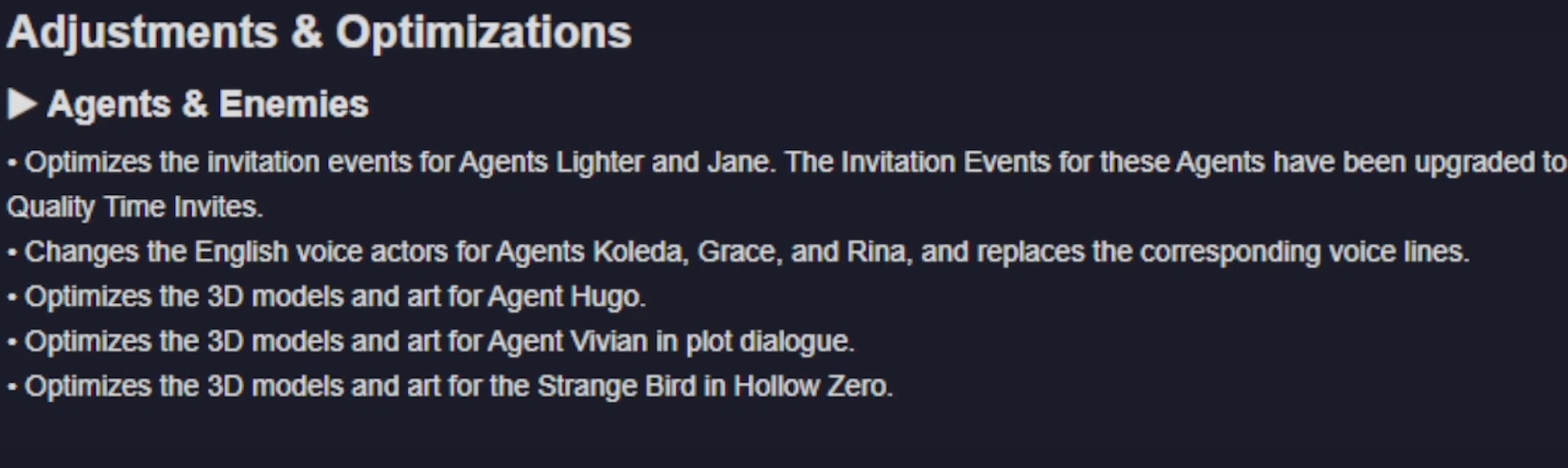
In the patch 1.7 notes for Zenless Zone Zero, Hoyoverse listed that they had replaced the English voice actors for the characters Grace, Koleda, and Reena. No official reason was provided in the patch notes, but the timing and background of the situation tell a bigger story.
Why Were the Voice Actors Replaced?
While Hoyoverse hasn’t made an official statement, the removed VAs—Katie Kofield, Chelsea Kwoka, and Crystal Lee—were all actively involved in supporting or promoting strike-related activity tied to SAG-AFTRA (Screen Actors Guild – American Federation of Television and Radio Artists). Many of them retweeted or publicly supported messages pushing for AI protections and better treatment of non-union voice actors.
These public displays of solidarity have led some to believe that their involvement may have played a role in their replacement, although nothing has been confirmed. The situation is further complicated by the fact that the strike or “work refusal” is not officially recognized as a SAG-AFTRA-sanctioned strike, blurring the lines of responsibility and legality.
Fan Reactions Are Mixed
The decision to swap out voice actors mid-season without much explanation hasn’t sat well with many fans. On social media, players have been calling for Hoyoverse to reinstate the original VAs and issue a public apology. Some posts argue this is a violation of the actors’ rights, especially when it comes to collective bargaining and voicing concerns about AI replacing real performers.
On the other side, there are also fans who support Hoyoverse’s decision, saying the company had given the VAs plenty of time to return or negotiate before making staffing changes. This split in opinion highlights how divisive the topic of labor rights in the gaming and entertainment industries has become.
SAG-AFTRA’s Role & Public Pressure
Interestingly, the actors’ posts weren’t just isolated opinions. Organizations like SAG-AFTRA also publicly encouraged Hoyoverse to sign interim agreements that protect actors from AI replacement. They provided sample agreements and tried to make it seem like it would be a quick fix. However, critics pointed out that these were only sample templates—not official documents—and that legal negotiations are far more complex than just clicking a link and signing a form.
This attempt to simplify the narrative and apply pressure through public tweets didn’t sit well with everyone, and may have even undermined the movement’s credibility among some players and industry observers.
Misinformation & Damage Control
As fans dig deeper, some have accused the involved VAs and SAG-AFTRA of spreading misleading information, especially about the nature of the strike and the requirements of union versus non-union work. The community has unearthed multiple cases where the strike was framed as being solely about AI protections, only for that to later be walked back as the backlash grew.
These shifting narratives have frustrated fans who feel manipulated and unsure of what the real goals behind the movement are. The inconsistency has only added fuel to an already heated discussion about transparency and trust between game developers, actors, and the audience.
The replacement of English voice actors in Zenless Zone Zero marks more than just a casting change—it’s a flashpoint in a much larger debate about fair treatment, AI’s role in creative industries, and the complex relationships between corporations and contract talent.
While some fans may shrug off the new voices, others are taking it as a sign of a troubling trend. With both sides standing firm in their beliefs, this situation might continue to unfold in the months ahead. What remains clear is that the tension between creative labor and corporate control is far from over—and players are now part of that conversation.