


10+ Heroes of Might and Magic: Olden Era Beginners Guide – Tips You Should Know
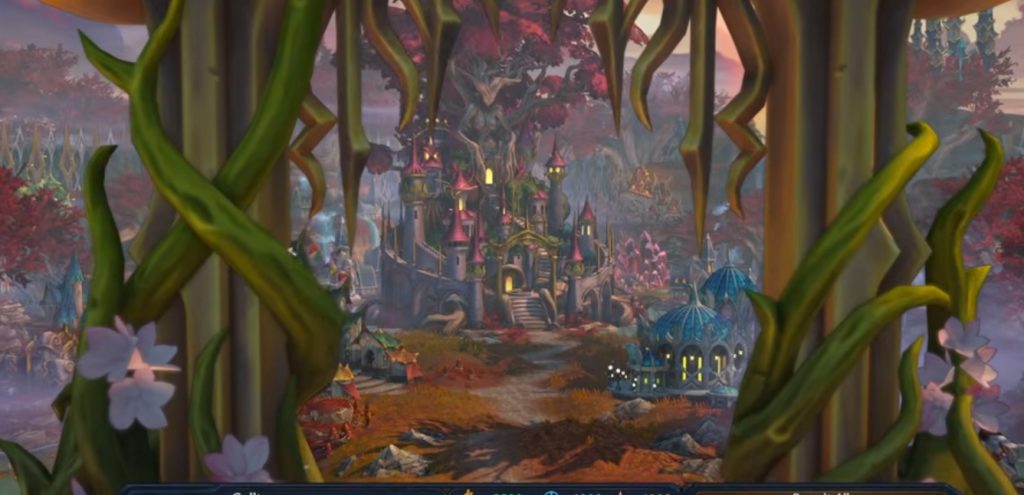
Getting into Heroes of Might and Magic: Olden Era can feel overwhelming at first. There are a lot of systems working at the same time, and if you don’t understand them early, it’s easy to fall behind. The good news is that once you learn the core mechanics, everything starts to click. This guide breaks down the most important beginner tips so you can play smarter, avoid common mistakes, and build a strong foundation from your very first run.
1. Understanding Focus Points and Charges
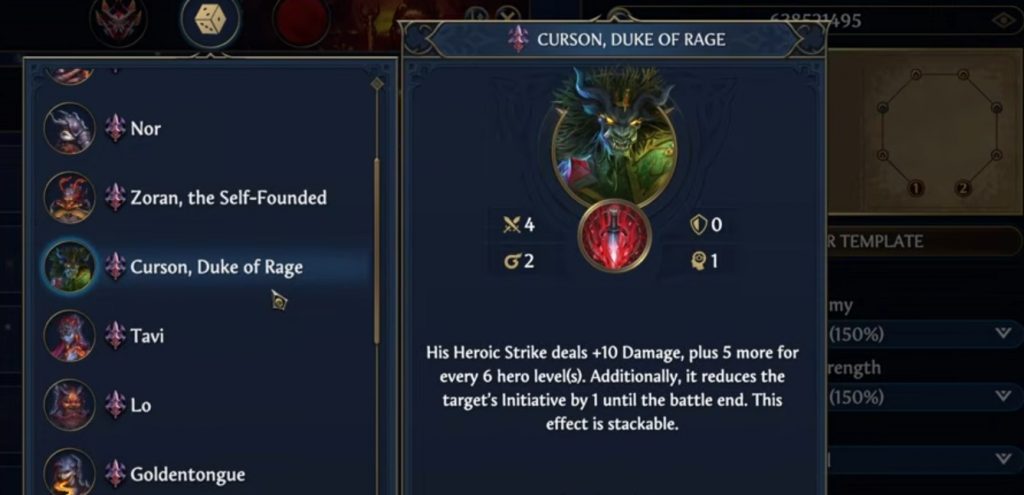
One of the biggest changes in Olden Era is the Focus system. You gain Focus Points whenever your units attack or get hit. Ranged attacks give fewer points, while melee attacks generate more. Once you reach enough points, you earn a Focus Charge, which can be spent on abilities.
Focus Charges are extremely valuable. Your hero can use them for Heroic Strike, dealing direct damage once per round. Units can also use them for special abilities, which can turn fights around quickly.
The key rule here is simple: don’t waste Focus. If you’re already at the maximum, any extra points you gain are lost. Use your charges regularly unless you’re saving for something specific like a strong burst ability or combo.
2. Use One-Unit Stacks to Your Advantage
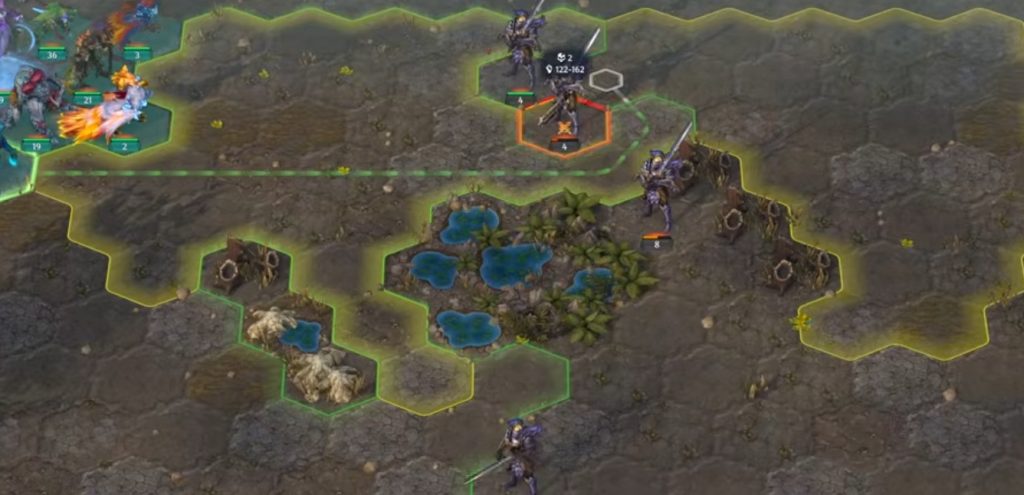
Splitting your army into small “one stacks” is one of the most useful tricks you can learn. These single-unit stacks act as disposable tools during battle.
They can block enemy movement, absorb counterattacks, and protect your main damage dealers. Since most enemies can only counter once per round, sending a weak unit first lets your stronger units attack safely afterward.
In Olden Era, this tactic is even better because these small units still generate Focus Points when they attack or get hit. That means even your weakest units are contributing to your overall strategy.
3. Ranged Units Are More Reliable Early On
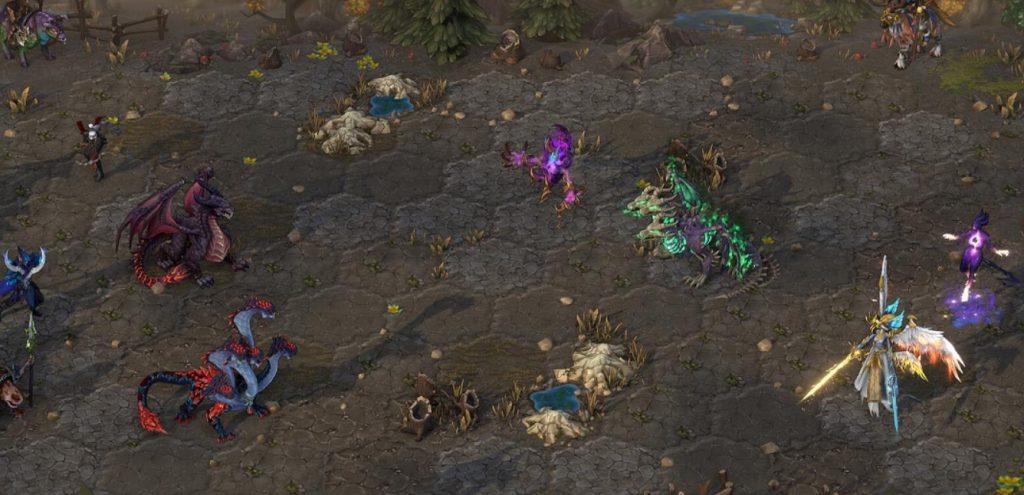
While melee units generate more Focus per hit, ranged units are much easier to use. They can attack from a safe distance and consistently deal damage without needing positioning.
This makes them perfect for beginners. You can keep them protected while slowly building up Focus and controlling the fight. In many cases, having multiple ranged stacks is more effective than relying too much on melee early in the game.
Use melee units as protection, not your main damage source, especially in the early stages.
4. Learn Basic Hotkeys for Faster Gameplay
Small shortcuts can make a big difference in how smoothly you play. A few useful ones include:
- Ctrl + Click: Split one unit from a stack
- Shift + Click: Split a stack evenly
- Alt: Highlight objects on the map
- W: Wait in combat
- D: Defend or skip turn
Using these consistently saves time and helps you react faster, especially during longer sessions. It also makes managing your army much easier once battles get more complex.
5. Know When to Wait or Defend in Combat
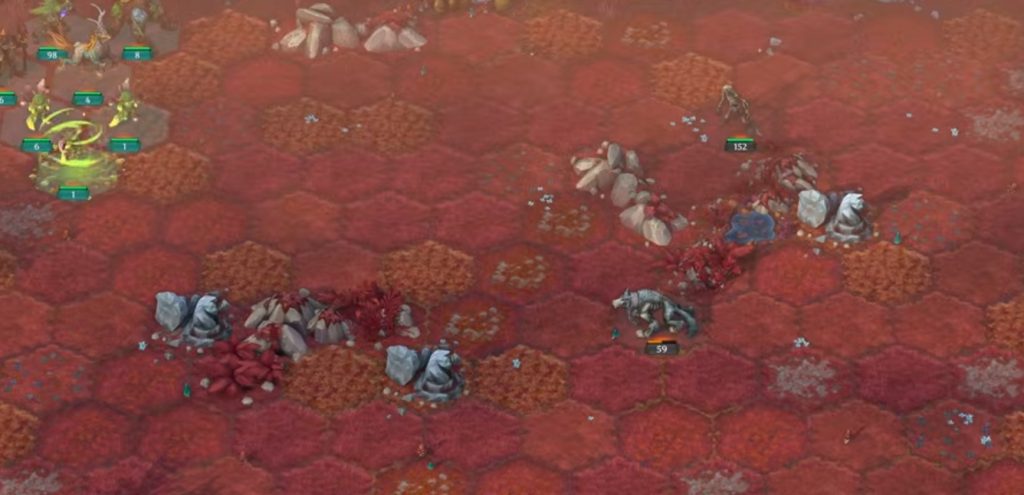
You don’t always need to attack immediately. Sometimes it’s better to wait or defend, especially if your army benefits from positioning or ranged damage.
If your units have higher initiative, you can wait and act later in the round, then move first in the next round. This creates a double-action advantage that can swing fights in your favor.
Take a moment at the start of each battle to decide your approach. If you’re stronger at range, let the enemy come to you instead of rushing forward.
6. Magic System Basics You Should Understand
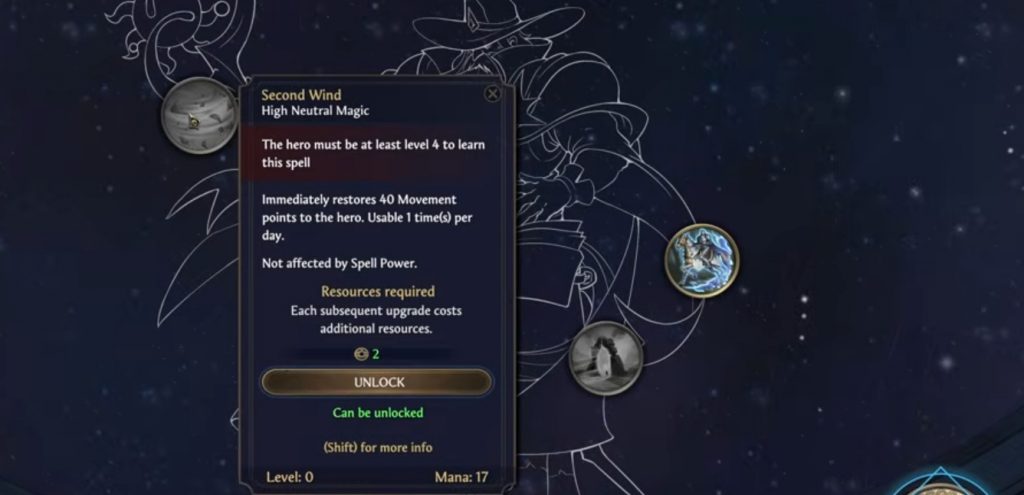
Magic in Olden Era is split into different schools, each with its own role:
- Daylight: Buff your units
- Nightshade: Debuff enemies
- Primal: Deal direct damage
- Arcane: Control the battlefield
Each spell has both a tier and a level. Tier determines how powerful the spell is overall, while level improves its effectiveness.
Higher-level spells become stronger through hero skills, artifacts, and upgrades from Mage Guilds. Learning how to boost spell levels is just as important as unlocking them.
7. Make the Most of Mage Guilds and the Observatory
Mage Guilds unlock spells, but the real power comes from how they connect through the Observatory system. If multiple towns unlock the same spell, its level increases automatically.
You can also upgrade spells directly using resources, but this should be done carefully since it’s expensive.
A simple but important tip: always end your turn in a town with a Mage Guild when possible. This lets your hero recover mana, keeping you ready for the next fight.
8. Laws and Economy Management
Laws act like long-term upgrades for your entire faction. You earn points over time and from battles, then convert them into powerful bonuses.
Some laws boost your economy, while others improve combat strength or unit growth. Early on, economy-focused laws are usually the best choice because they scale over time.
However, don’t rush to spend them immediately. Saving up for stronger upgrades can be more impactful than taking weaker ones right away.
9. Smart Town Building Strategy
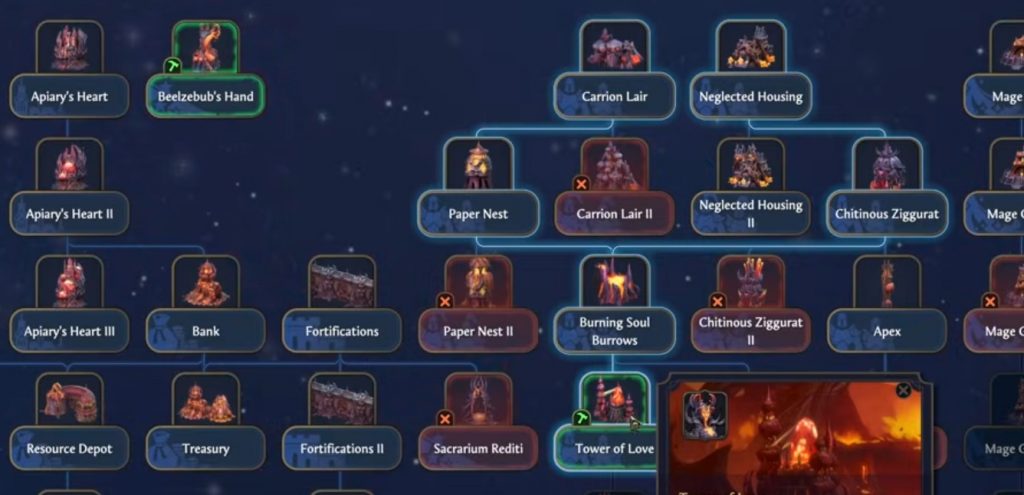
Building order matters more than you might think. One key tip is to time your fort upgrades near the end of the week.
Higher-level forts increase unit growth, and building them just before a new week starts gives you the maximum benefit instantly.
For high-tier units, this is especially important since even one extra unit can make a big difference in late-game battles.
10. Managing Alchemical Dust
Alchemical Dust is one of the most important resources in the game. It’s used for upgrading units, spells, and even artifacts.
Unlike other resources, you can’t easily trade for it, so you need to plan carefully. You can get more by:
- Breaking down artifacts
- Using special map locations
- Building specific town structures
The main decision here is where to invest it. Do you want stronger units, better spells, or upgraded gear? You usually can’t have everything early on, so choose based on your strategy.
11. Movement and Map Control Tips
Movement works a bit differently compared to older games. Picking up nearby resources doesn’t cost movement, which helps a lot when exploring.
Also, your army’s speed no longer slows your hero down, making movement much more flexible.
A good strategy is to use one main hero for combat and several secondary heroes for support. These extra heroes can gather resources, scout the map, and deliver reinforcements.
Always try to move your main hero last each turn. That way, you already know what’s ahead before committing to a direction.
Olden Era has a lot going on, but you don’t need to master everything at once. Focus on the basics first—understanding combat flow, managing resources, and making smart decisions each turn. As you get more comfortable, the deeper systems like magic, laws, and optimization will start to feel more natural. Take your time, experiment with different strategies, and don’t be afraid to make mistakes. That’s how you improve, and before long, you’ll notice your runs getting smoother and more consistent.
Heroes of Might and Magic: Olden Era