


How to Pollinate the Giant Beehive in 99 Nights in the Forest Guide
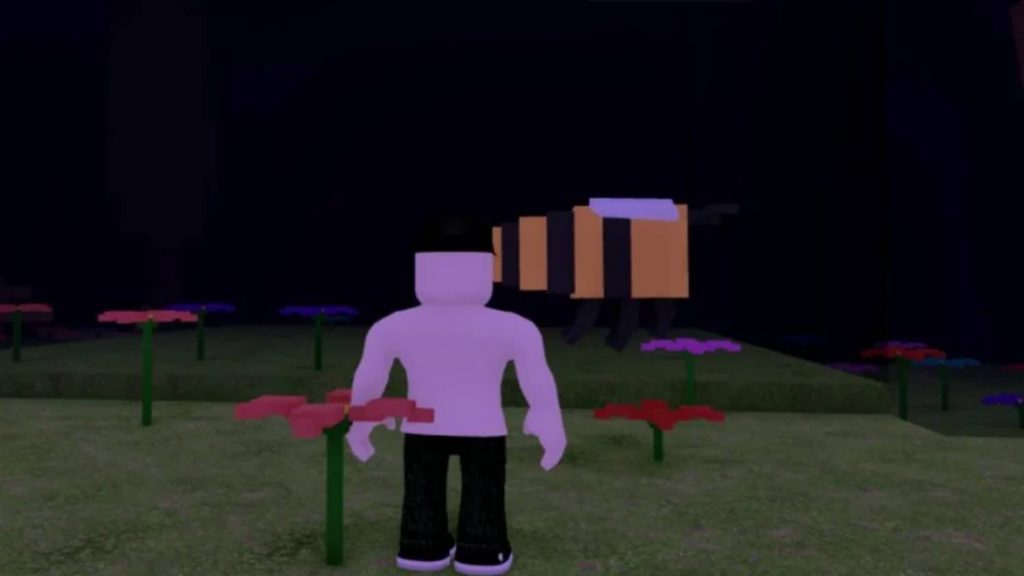
The Giant Beehive is one of the most important features introduced in the Bee Biome update for 99 Nights in the Forest. While it doesn’t produce Honey on its own, it plays a major role in increasing the amount of Honey generated by every active Bee Hive you’ve upgraded. If you’re planning to unlock Bee Biome badges or purchase exclusive shop items, learning how to use the Giant Beehive should be one of your top priorities. This guide explains where to find the Giant Beehive, how Pollination works, how much it costs, and the best time to invest your Honey.
What Is the Giant Beehive?
The Giant Beehive is a massive hive structure located within the Bee Biome. Unlike regular Bee Hives, you can’t level it up using flowers or collect Honey directly from it.
Instead, the Giant Beehive allows players to perform Pollination, a special upgrade that boosts the Honey production of every Bee Hive currently active during your run.
Because the bonus applies to all of your hives, Pollination becomes increasingly valuable as you build more Bee Hives throughout the forest.
Where to Find the Giant Beehive
The Giant Beehive is located somewhere inside the Bee Biome. As you explore the forest, look for signs that you’ve entered the biome, including:
- Swarms of bees flying around.
- Honey-themed trees.
- Large honeycomb structures.
- The Beekeeper NPC.
The Giant Beehive is significantly larger than normal Bee Hives, making it fairly easy to identify once you’ve reached the area.
How to Pollinate the Giant Beehive
Before you can use the Giant Beehive, you’ll need to earn some Honey by upgrading regular Bee Hives with flowers. Once you’ve collected enough Honey, follow these steps:
- Travel to the Bee Biome.
- Find the Giant Beehive.
- Interact with it.
- Choose the Pollination option.
- Spend the required amount of Honey.
After confirming the upgrade, the production rate of every active Bee Hive increases, allowing you to generate Honey more quickly.
Giant Beehive Pollination Costs
Each Pollination level requires more Honey than the previous one. The current costs are:
- Pollination Level 1- 20 Honey
- Pollination Level 2- 60 Honey
- Pollination Level 3- 150 Honey
Because each upgrade becomes more expensive, it’s usually a good idea to improve your Bee Hives first so you can maintain a steady Honey income before investing in higher Pollination levels.
Why Should You Pollinate the Giant Beehive?
Although spending Honey may seem costly at first, Pollination provides long-term benefits that make future farming much easier. Some of the biggest advantages include:
- Faster passive Honey production.
- Increased efficiency across all active Bee Hives.
- Easier access to expensive Beekeeper Shop items.
- Faster progress toward Bee Biome badges.
Rather than benefiting a single hive, Pollination improves your entire Honey production network, making it one of the best investments during a run.
Pollination and the Beekeeping Badge
One of the Bee Biome event badges, Beekeeping, requires players to use the Giant Beehive multiple times. To unlock the badge, you must:
- Perform Pollination 10 times.
Fortunately, your progress carries over between different runs. You don’t need to complete all ten Pollinations during a single playthrough, making this badge much easier to earn over time. Whenever you have spare Honey available, consider spending it on Pollination to steadily work toward this achievement.
Yes. Pollination is one of the best long-term upgrades available in the Bee Biome. While the Honey cost may seem high initially, the increased production quickly pays for itself by boosting every active Bee Hive on the map. Combined with upgraded Bee Hives, Pollination makes it much easier to purchase exclusive Beekeeper Shop items, complete event badges, and accumulate large amounts of Honey throughout your run. If you’re aiming to fully complete the Bee Biome event, investing in the Giant Beehive early is one of the smartest decisions you can make.
99 Nights in the Forest