


7 Dungeon Quest Reborn Beginner Guide, Tips & Tricks
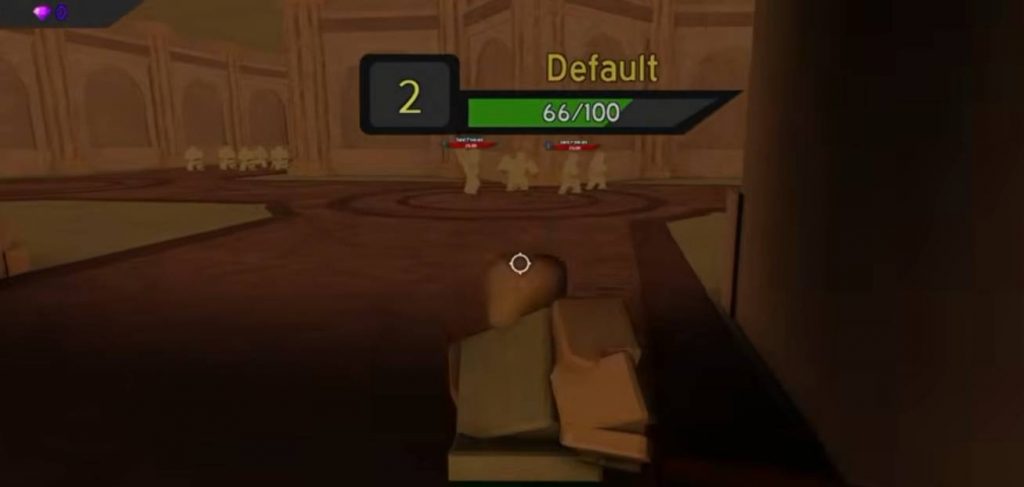
Dungeon Quest Reborn brings back the classic Roblox dungeon experience, where the main goal is simple: enter dungeons, defeat enemies, collect better equipment, level up, and move toward stronger areas. For new players, the early game can look repetitive, but having the right approach can make the grind much easier. Whether you are completely new to Dungeon Quest Reborn or returning after years away, these seven beginner tips will help you level faster, improve your build, and prepare for harder dungeons.
1. Start With Easy Dungeons and Focus on Leveling
When you first enter Dungeon Quest Reborn, your character will have weak equipment and limited access to dungeons. Do not worry about rushing into difficult content immediately. Start with the easiest dungeon available and repeatedly clear it to gain experience, gold, and equipment.
The early Desert Temple runs are useful for learning how combat works. You can group enemies together and attack several targets at once instead of chasing them individually. This makes clearing rooms faster and helps you gain experience more efficiently.
As you level up, stronger difficulties and new areas will become available. A simple progression is:
- Start with Easy difficulty.
- Clear the dungeon repeatedly for EXP.
- Replace weak equipment with better drops.
- Upgrade your character as you gain levels.
- Move to Hard difficulty once you meet the level requirement.
- Continue farming until the next dungeon becomes available.
Do not spend too much time trying content that is clearly above your current level. A dungeon you can clear consistently is usually more useful for progression than one where you constantly die.
2. Pick a Class That Matches Your Playstyle
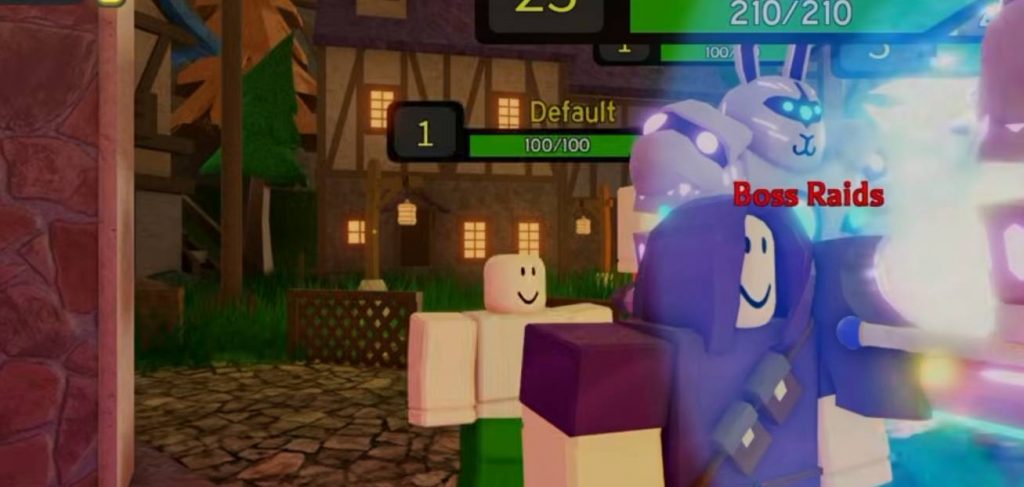
Dungeon Quest Reborn allows you to build around different combat styles, with Warrior and Mage being two of the main choices players will encounter. Your choice affects how you approach enemies, so it is worth understanding the difference before investing heavily into one build.
Warrior is a good option if you enjoy fighting enemies at close range. You can use physical weapons and melee-focused abilities to deal strong damage while staying near your targets.
Mage, meanwhile, focuses more on magical damage and ranged attacks. This can make it easier to attack enemies from a distance and avoid some dangerous attacks.
For beginners, the most important thing is not necessarily choosing the mathematically strongest class. Choose the playstyle you can use comfortably.
If you prefer:
- Close-range combat, try Warrior.
- Ranged attacks, consider Mage.
- Physical damage, prioritize equipment with physical stats.
- Magical damage, focus on magic-oriented equipment and spells.
You can experiment early in the game before committing to a particular build.
3. Always Replace Your Equipment With Better Drops
One of the biggest mistakes new players can make is becoming attached to their current equipment. Dungeon Quest Reborn revolves heavily around getting stronger gear, so you should constantly check the equipment that drops from your dungeon runs.
Weapons are especially important because they directly affect your damage. Armor and helmets can also provide valuable survivability, allowing you to survive stronger enemies and bosses.
After every few runs, check your inventory and compare your newest items with your current equipment.
Pay attention to:
- Weapon damage.
- Physical or magical power.
- Health.
- Useful defensive stats.
- Spell bonuses.
- Whether the item fits your chosen class.
You can also spend gold on upgrades when you have a strong weapon worth investing in. However, avoid wasting large amounts of gold upgrading an item that you are likely to replace very soon.
The further you progress, the stronger the equipment you will find. Early gear is mainly there to help you reach the next dungeon.
4. Learn to Group Enemies Together
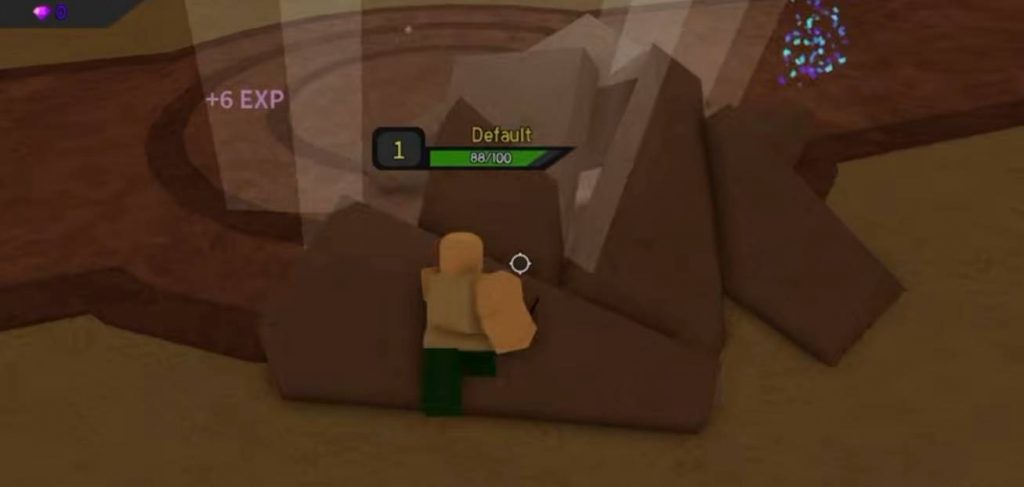
Dungeon Quest Reborn is not simply about running toward the nearest enemy and attacking. One of the easiest ways to improve your clear speed is to group enemies together before using your attacks.
Instead of fighting every enemy separately, move around the room and gather several enemies into one area. Once they are grouped, use abilities that can hit multiple targets.
This is particularly useful for Warrior builds with area-of-effect abilities. Ground Slam, for example, can be extremely useful when several enemies are standing close together.
A good room-clearing routine is:
- Enter the room.
- Move toward several enemies.
- Gather them into a manageable group.
- Avoid dangerous attacks while grouping them.
- Use your strongest area attack.
- Finish surviving enemies with basic attacks.
- Move to the next room.
This strategy becomes increasingly important as enemy health starts increasing. Killing one target at a time can make dungeon runs much slower.
5. Don’t Ignore Your Spells
Getting a powerful weapon is important, but spells can completely change how quickly you clear a dungeon. Make sure you check every spell that drops instead of automatically keeping your current abilities.
Some abilities have short cooldowns and strong area damage, making them particularly useful for farming. Other spells can provide healing or allow you to attack from a safer distance.
For melee players, area-based abilities such as Ground Slam can be particularly useful because they allow you to damage multiple enemies while remaining relatively close to them.
You should build your abilities around your equipment and preferred combat range.
For example:
- Use area attacks for groups of enemies.
- Use high-damage abilities against bosses.
- Keep a healing spell available if survivability is a problem.
- Use ranged abilities when approaching a boss is dangerous.
- Prioritize spells with useful damage and cooldown combinations.
Do not judge a spell only by its raw damage number. A slightly weaker ability with a much shorter cooldown can sometimes be more useful during an entire dungeon run.
6. Farm the Same Dungeon Until You Are Ready to Move On
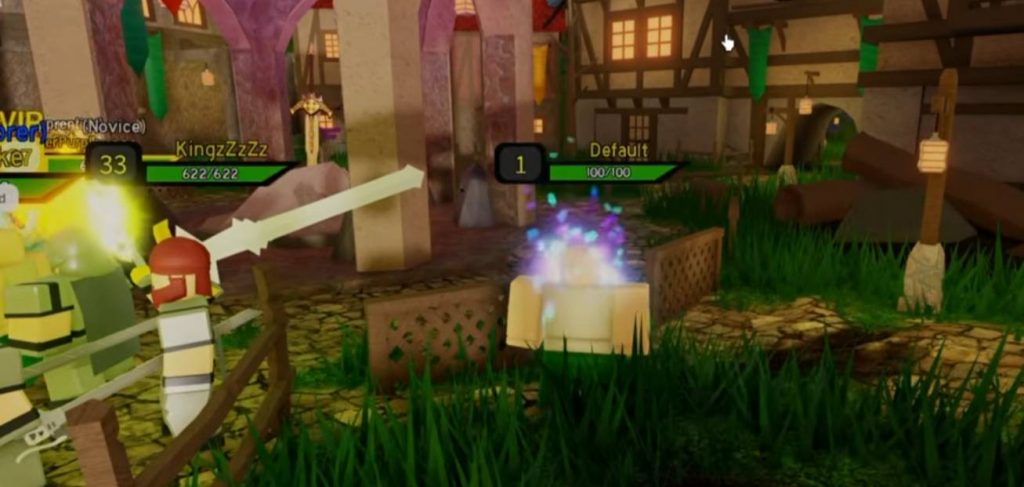
Dungeon Quest Reborn is designed around repetition. You will need to run the same dungeon multiple times before moving to the next area, so do not get discouraged when progression starts feeling slow.
The key is knowing when to stop farming.
If you are comfortably clearing a dungeon and receiving enough experience and equipment, continue farming until you reach the required level for the next area. There is little reason to rush ahead with an underpowered build.
The progression shown in the gameplay information follows a path similar to:
- Desert Temple for the early levels.
- Hard dungeon farming after reaching the required level.
- Winter Outpost around the mid-game.
- Continued dungeon grinding toward higher levels.
- Pirate Island around level 60.
- Higher-level areas after obtaining stronger equipment and spells.
Pirate Island is an important milestone because the enemies become significantly stronger and the dungeon includes several challenging encounters. Reaching it with a weak build can make the jump in difficulty feel enormous.
Instead, use the earlier dungeons to prepare your character before moving forward.
7. Learn Boss Patterns Instead of Face-Tanking Them
Bosses become much more dangerous as you progress. Early bosses such as the Sand Giant may be relatively easy, but later encounters can have attacks that deal massive damage if you stand in the wrong position.
Pirate Island is a good example of why positioning matters. The dungeon can contain multiple boss encounters, including powerful enemies with ranged attacks and movement abilities.
Rather than standing directly next to every boss and attacking continuously, watch their attack patterns.
Try to:
- Stay outside obvious attack areas.
- Move when the boss starts an attack animation.
- Use ranged abilities when possible.
- Attack during safe openings.
- Avoid wasting your healing ability.
- Keep enough time remaining to finish the dungeon.
Dodging becomes much more important once enemy health starts reaching hundreds of thousands or even millions. Strong equipment helps, but knowing how to avoid damage can be the difference between clearing a dungeon and losing the run.
Bonus Tip: Use Daily Rewards and Free Resources
Do not forget to check your daily rewards. These can provide useful equipment, spells, or other resources that can help improve your character without requiring another long farming session.
Daily rewards are especially useful during the early game because even a decent spell or weapon can make several dungeon runs considerably easier.
You should also keep checking your inventory after completing dungeons. Some drops may initially look unimportant but become valuable after being upgraded or compared with your current build.
Dungeon Quest Reborn is heavily focused on grinding, so becoming powerful will take some time. The fastest way to progress is not simply rushing toward the highest available dungeon. Instead, build your character gradually by farming appropriate stages, replacing weak equipment, learning useful spells, and understanding how each boss attacks.
For beginners, focus on these seven fundamentals: level through manageable dungeons, choose a comfortable class, upgrade your equipment, group enemies together, use strong spells, farm until you are properly prepared, and learn to dodge boss attacks.
Once your build becomes stronger, the same dungeons that initially felt difficult will become much easier to clear. From there, you can continue pushing toward areas such as Winter Outpost and Pirate Island while farming better weapons and spells for the next stage of your Dungeon Quest Reborn journey.
Dungeon Quest Reborn