


Dungeon Quest Reborn Ultimate Beginners Guide: Best Classes, Skills, and Builds
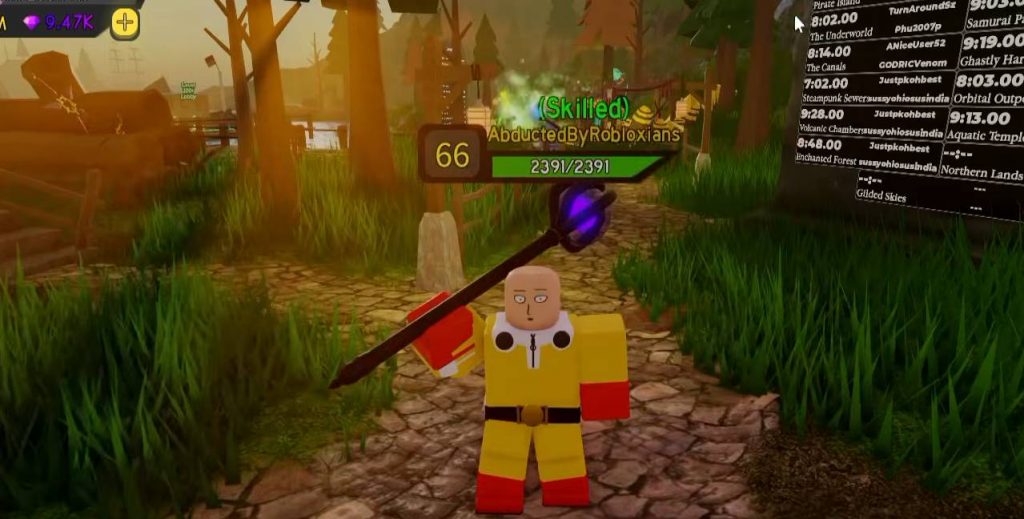
Starting Dungeon Quest Reborn can be a little confusing because there are many skills, classes, weapons, and builds to choose from. Instead of simply explaining where the upgrade or shop buttons are, this guide focuses on the things that actually matter for progression. You will learn which class to use, what stats to upgrade, which skills are worth getting, and when you should consider changing your build.
Best Class for Beginners
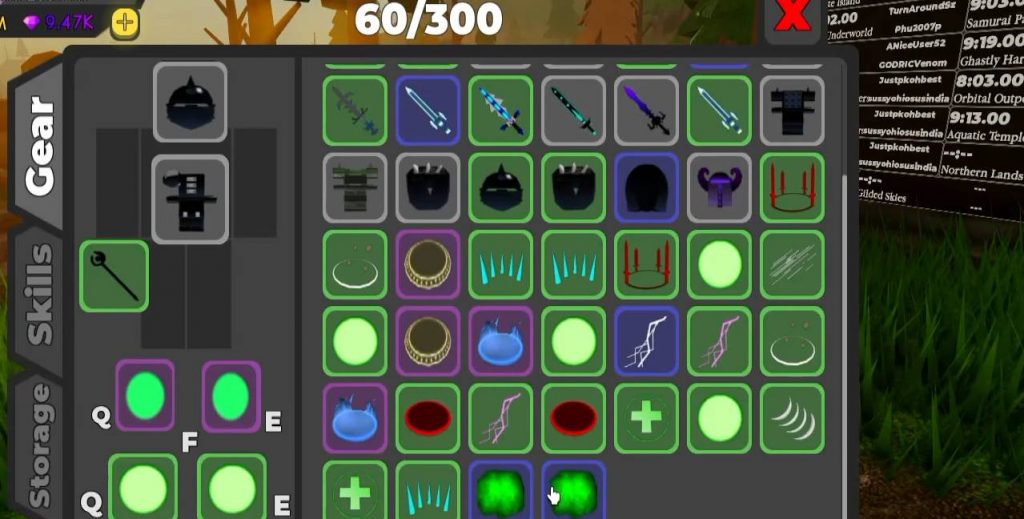
For most new players, Mage is the best class to start with. Mage has strong ranged attacks, useful area damage, and several skills that make early dungeon farming easier. Warrior can eventually deal very high damage, but it is generally better once you have reached the mid game and have stronger equipment.
A simple class progression is to start as Mage and stay with it through the early game. Once you reach around Level 50 to 60, you can consider switching to Warrior if you want a stronger melee damage build. This gives you time to learn the game while using a class that is easier to level with.
Always Match Your Stats to Your Class
One of the most important beginner tips is to avoid spreading your stats across different types of damage. Your skills show which stat they scale with, so use that information when upgrading your character.
For Mage:
- Focus on Spell Power.
- Use weapons that scale with Spell Power.
- Avoid putting important upgrades into Physical Power.
- Do not mix Mage and Warrior stats during early progression.
For Warrior:
- Focus on Physical Power.
- Use weapons that scale with Physical Power.
- Avoid investing heavily into Spell Power.
You should also generally avoid putting points into Stamina when playing a normal damage build. Stamina can have a purpose for specific tank-style builds, but beginners will usually get more value from maximizing the stat that increases their damage.
Best Early Mage Skill: Poison Cloud
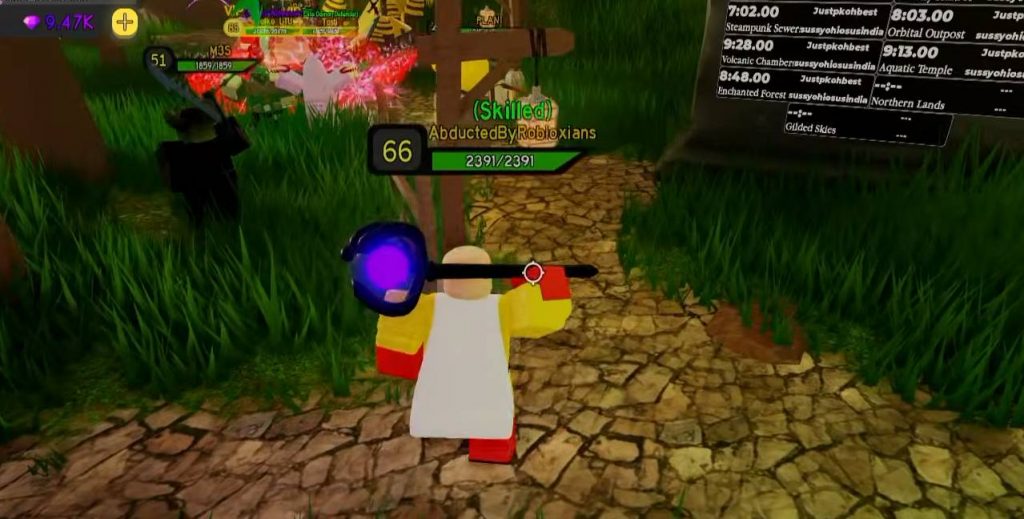
Poison Cloud is one of the best skills for early Mage progression. You can obtain it from Desert Temple, and it remains useful across different difficulties.
The main advantage of Poison Cloud is its damage over time. Instead of relying on one quick attack, you can place the ability on enemies and continue dealing damage while moving or using another skill. This makes it especially useful when fighting groups.
For a beginner Mage, Poison Cloud is one of the first skills worth looking for. It works well with the early dungeons and gives you a simple way to deal consistent damage.
Ice Needles for Fast Attacks
Ice Needles is another useful Mage skill for beginners. It becomes available around Level 32 and has a relatively short cooldown, allowing you to cast it often.
Using two Ice Needle skills can be a simple setup because you can rotate between them and maintain a steady stream of attacks. You can also combine Ice Needles with another quick spell if you prefer more variety.
For early progression, Ice Needles is worth keeping an eye out for because it is simple to use and can provide good damage without long waiting periods between casts.
Lightning Strike
Lightning Strike is another early Mage option. It can be obtained from the first map and focuses on delivering a quick burst of damage.
Unlike skills that rely heavily on damage over time, Lightning Strike can be useful when you want an ability that immediately hits an enemy. It can work well alongside Ice Needles, especially if you prefer a faster playstyle.
It may not be the most important skill later in the game, but it can be a useful option while you are still building your character.
Aura of Life for Healing
Once you reach Winter Outpost, you should start thinking about adding a healing option to your Mage build. Aura of Life is particularly useful for players who regularly play with friends.
The skill allows you to heal yourself and nearby teammates, making it possible to take on difficult content while keeping your team alive. A Mage focused heavily on Spell Power can become a very effective support character.
A simple team setup can have one player focused on damage while another uses Aura of Life to provide healing. This can be especially helpful in difficult Nightmare dungeons where enemies and bosses deal heavy damage.
Rejuvenating Spray
If you do not have Aura of Life yet, Rejuvenating Spray is another healing skill worth considering. Having at least one healing option can make dungeon runs safer, especially when you are still learning enemy attacks and boss mechanics.
Healing skills are also useful when playing with other people. Instead of everyone focusing entirely on damage, one player can help keep the entire group alive.
Winter Outpost Is Harder Than It Looks
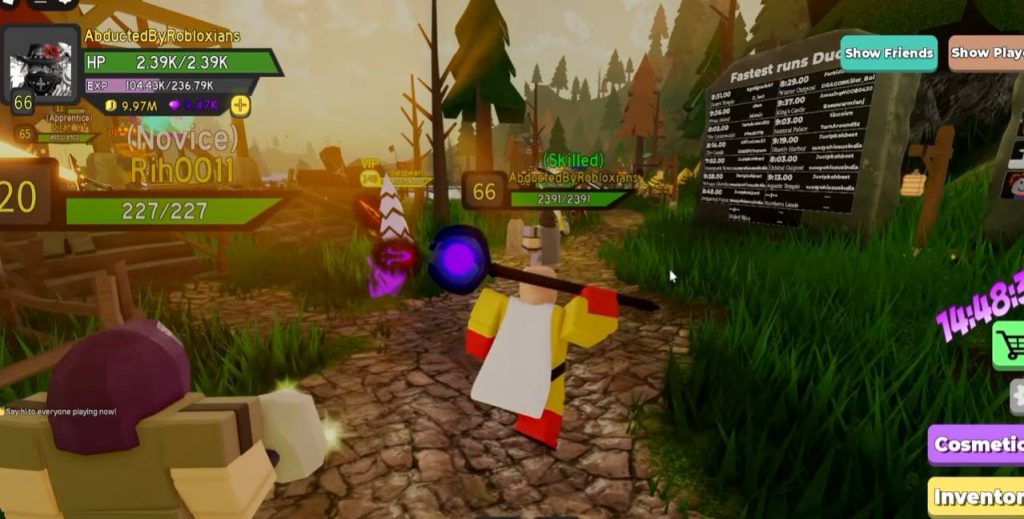
Winter Outpost is one of the areas where many beginners may struggle. The required level shown by the game does not necessarily mean that you will comfortably clear the dungeon at that level.
For example, a dungeon may show a required level around 40 or 45, but that does not guarantee an easy run. Even players around Level 60 can still have trouble depending on their equipment and build.
If Winter Outpost feels difficult, do not assume that your character is bad. Continue farming earlier dungeons, improve your equipment, and try again when you have more damage.
Piercing Rain for Later Mage Progression
Piercing Rain is a strong Mage skill to look for once you progress further into the game. It becomes available around the Winter Outpost progression and can provide much stronger damage compared with some of the early skills.
This makes it a good target when you are upgrading your Mage build. Once you have access to stronger abilities, you should gradually replace weaker early-game skills instead of keeping the same loadout forever.
Your loadout should change as you progress because later dungeons require more damage and better skill combinations.
Phantom Flames
Phantom Flames is another powerful Mage ability associated with the Pirate Island progression. Its large area of effect makes it useful against groups of enemies.
The large damage area is one of its biggest advantages. Instead of focusing on a single target, you can hit multiple enemies at once, which can improve dungeon clear times.
If you are building a Mage and reaching Pirate Island, Phantom Flames is one of the skills worth looking for.
Ghostly Cannon Barrage
Ghostly Cannon Barrage is another option for later Mage progression. It provides damage over time and can be useful for players who want to maintain pressure on enemies.
It is particularly useful when combined with other abilities that allow you to keep attacking while the damage-over-time effect continues. This can make it a good choice for leveling through the mid and later stages.
Lightning Beam
Lightning Beam is another Mage skill that players can use during progression. It can deal damage over time, but it may feel slower compared with faster options such as Ice Needles or Lightning Strike.
Because of this, it is more of a personal preference. If you enjoy using it and it performs well with your build, there is nothing wrong with keeping it. However, players looking for a faster loadout may prefer other skills.
Innovate
Innovate can improve your magic abilities, but it may not be the best choice if you already have access to two strong offensive skills.
For beginners, having two useful damage abilities is often more straightforward. You can also dedicate another slot to healing when playing with a team.
As you become more experienced, you can experiment with skills like Innovate and see whether the extra utility works better for your specific build.
Best Mage Loadouts for Beginners
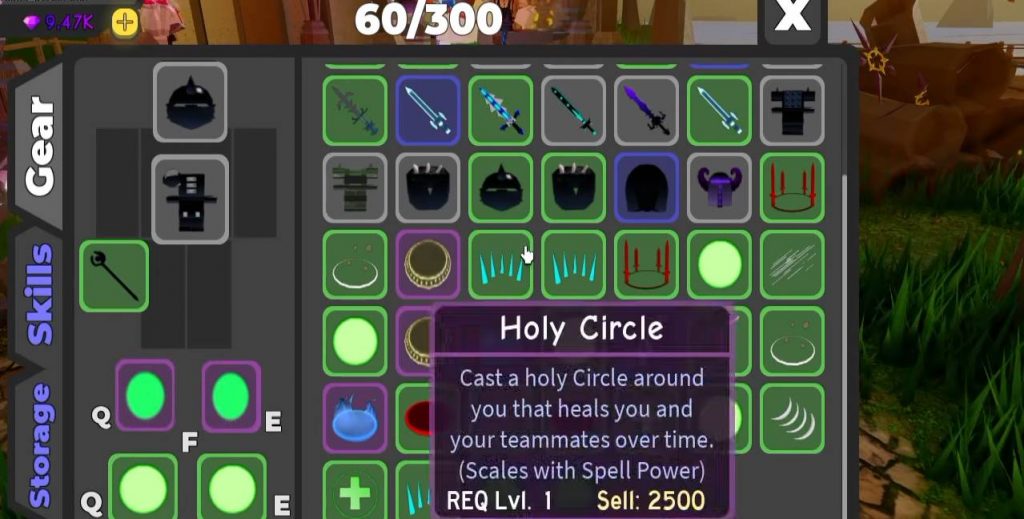
A simple early-game Mage loadout can focus on quick and reliable damage.
One possible setup is:
- Poison Cloud
- Ice Needles
- Lightning Strike
- Healing skill
Once you reach higher-level dungeons, you can start replacing the early skills.
A later Mage setup could use:
- Phantom Flames
- Piercing Rain
- Ghostly Cannon Barrage
- Aura of Life or Rejuvenating Spray
The exact combination can change depending on your equipment and whether you are playing solo or with a team.
When to Switch to Warrior
Warrior becomes much more attractive around Level 50 to 60. By this point, you should have better equipment and a better understanding of dungeon mechanics.
Warrior focuses on Physical Power and can deal very high burst damage. The class is more dependent on getting close to enemies, so it can be harder for beginners who are still learning how to avoid attacks.
If you enjoy melee combat and have strong Warrior equipment, this is a good point in the game to start experimenting with the class.
Gale Slice for Warrior
Gale Slice is a strong skill for Warrior builds. It can deal heavy damage while allowing you to move around enemies.
The ability works especially well when you combine it with a damage buff. You can use the buff first, then follow up with Gale Slice to deal significantly more damage.
This makes Gale Slice a useful skill to work toward once you have moved into a Warrior build.
Battle Shout
Battle Shout can improve your Warrior’s melee damage and works well alongside Gale Slice.
A simple Warrior rotation is to activate Battle Shout and then use your main damage ability. This lets you take advantage of the damage increase instead of simply using your attacks without any preparation.
For a beginner Warrior, Gale Slice + Battle Shout is a straightforward combination to try.
How to Upgrade Your Equipment
Your weapon should always match your class. If you are playing Mage, look for equipment with strong Spell Power. If you are playing Warrior, focus on Physical Power.
When you open the upgrade menu, check what stat the weapon uses. A Mage weapon should not be upgraded like a Warrior weapon, and vice versa.
Before spending resources, compare your current weapon with the new one. A weapon with a higher listed stat can sometimes be much more useful than an older item, even if the item name does not sound impressive.
Dungeon Quest Reborn becomes much easier when you stop trying to use every skill and instead build around your class. Mage is the safest starting choice because of its ranged attacks, strong area damage, and healing options. Warrior can become a powerful alternative once you reach the mid game and have better equipment.
The biggest beginner mistake is spreading your upgrades across different stats. Keep your build simple: Mage uses Spell Power, while Warrior uses Physical Power. Avoid unnecessary Stamina investment unless you are specifically creating a tank-style build.
For early Mage progression, focus on skills such as Poison Cloud, Ice Needles, and Lightning Strike. Later, work toward Aura of Life, Piercing Rain, Phantom Flames, and Ghostly Cannon Barrage. If you switch to Warrior, Gale Slice and Battle Shout are a strong starting combination.
With the right stats, skills, and equipment, your progression through Dungeon Quest Reborn should become much smoother.
Dungeon Quest Reborn