


HyperOS 4 Global BETA Release, All Phone Getting the Update First!
Xiaomi has officially started testing HyperOS 4 Global Beta, giving users outside China an early opportunity to try the company’s upcoming software update. The first rollout is still limited to a small number of devices, but Xiaomi is preparing to add more phones to the program very soon. The Global Beta is also an important step toward the wider HyperOS 4 release. If you own a supported Xiaomi phone with the correct regional firmware, you can apply for the beta through the Xiaomi Community app.
Phones Getting HyperOS 4 Global Beta
The first HyperOS 4 Global Beta wave includes three devices. Xiaomi is starting with its latest flagship models before expanding the testing program to additional phones.
The first supported devices are:
- Xiaomi 17 Ultra
- Xiaomi 17
- Leica Leitzphone powered by Xiaomi
The beta is available for the Global and EEA versions of these devices. This is important because Xiaomi separates software releases based on region, meaning owning one of the supported models does not automatically guarantee that your phone can receive the same beta build.
Make sure your phone is using the correct regional firmware before trying to register for the program.
More Xiaomi Phones Will Join the Beta
The HyperOS 4 Global Beta program will not remain limited to the first three phones. Xiaomi is expected to add four more devices on September 17. The next devices planned for the program are:
- Xiaomi 17T Pro
- Xiaomi 17T
- Xiaomi 15 Ultra
- Xiaomi 15
Once these phones are added, the early Global Beta program should cover seven devices. This is particularly useful for owners of the Xiaomi 15 series, since they can get early access to the new software without needing to upgrade to Xiaomi’s newest flagship generation.
However, the exact availability can still depend on the region and firmware version of each device.
How to Join the HyperOS 4 Beta
Simply owning a supported Xiaomi phone is not enough to receive HyperOS 4 Beta. Xiaomi requires interested users to register for the testing program first.
To apply, open the Xiaomi Community app on your phone and follow these steps:
- Open the Xiaomi Community app.
- Go to the ME section.
- Select Beta testing.
- Tap Recruiting test.
- Complete the application and questionnaire.
- Submit your application using the Xiaomi Account connected to your phone.
Xiaomi also recommends updating your device to the latest available HyperOS 3 version before applying. This can help ensure that your phone meets the software requirements for the beta program.
Does Everyone Get HyperOS 4 Beta Immediately?
No. Applying for the beta does not mean that HyperOS 4 will appear on your phone immediately.
Xiaomi distributes beta builds in waves, so even approved testers may receive the update at different times. You may need to wait after your application has been accepted before the OTA update becomes available.
The rollout can also depend on your device model, region, and current firmware. If you do not see the update immediately, that does not necessarily mean your application has failed.
What Is New in HyperOS 4?
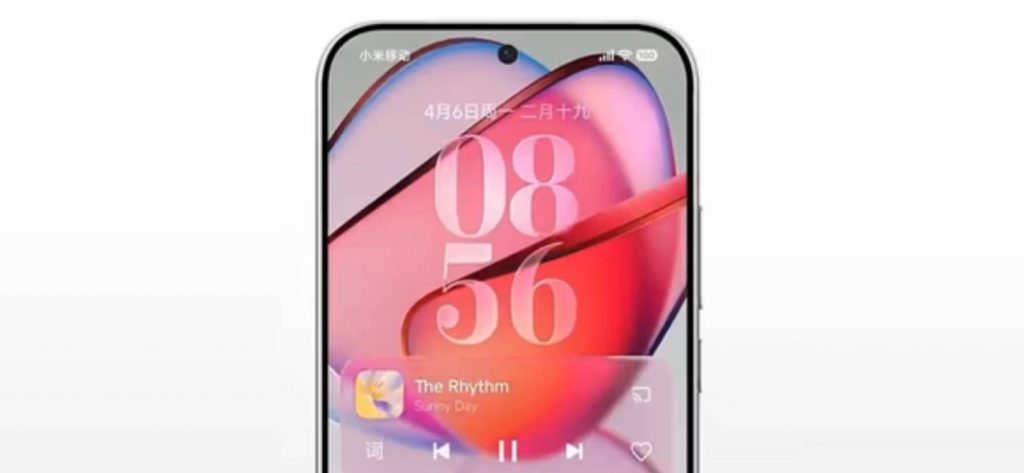
HyperOS 4 introduces several changes to Xiaomi’s interface while keeping much of the foundation introduced with HyperOS 3. One of the main visual changes is Xiaomi’s new Soft Light Glass design.
This style adds more transparent elements and glass-like effects to different parts of the interface. Menus and interface components are designed to appear softer and more layered instead of looking completely flat.
The changes are not limited to menus either. Xiaomi has also made adjustments to the lock screen, widgets, folders, and other parts of the system.
HyperOS 4 Lock Screen and Widgets
The lock screen receives several visual and organizational improvements in HyperOS 4. Notifications can be grouped together, making the screen easier to manage when multiple alerts arrive.
Xiaomi is also introducing stacked widgets, giving users more ways to organize information on the home screen without filling the entire display with separate widgets.
These changes are relatively small compared with a complete redesign, but they should make the interface feel more modern while keeping the familiar HyperOS experience.
Fusion Device Center Gets More Important
Xiaomi is also putting more attention into the Fusion Device Center. The feature is designed to make communication between Xiaomi products easier.
As Xiaomi’s ecosystem expands across smartphones, tablets, watches, and smart home devices, having a central place to manage these products becomes increasingly useful.
The goal is to make switching between devices and using them together feel more seamless. Instead of treating every Xiaomi product as an isolated device, HyperOS is increasingly being designed around the wider ecosystem.
HyperOS 4 Performance Improvements
The HyperOS 4 update is not only about visual changes. Xiaomi also claims that the new software improves memory management and overall system performance.
According to Xiaomi, the system should be able to keep more RAM available after several hours of use. Apps are also expected to launch faster, while improvements to system optimization should help reduce frame drops during longer periods of use.
These changes could be particularly noticeable on devices that are used heavily throughout the day. However, the actual performance difference will depend on the specific phone and the final stable software.
HyperOS 4 Battery Improvements
Battery performance is another area Xiaomi is targeting with HyperOS 4. The company says that the update includes improvements designed to make the system more efficient.
However, the actual battery gains will vary between devices. Factors such as screen brightness, network connection, gaming, background applications, and battery health can all affect how long a phone lasts.
Since the current software is still in beta, it is also possible for battery life to temporarily become worse due to bugs or unfinished optimization. The stable version will give a better idea of the final improvements.
Should You Install HyperOS 4 Beta?
You should think carefully before installing the HyperOS 4 Global Beta, especially if you only have one phone.
Beta software can contain bugs that are not present in the stable version. You could experience unexpected crashes, worse battery life, application compatibility problems, or other system issues.
Banking and payment applications are especially worth checking before installing a major beta update. Some applications may not work correctly with early software builds.
For this reason, a secondary phone is usually a better device for testing HyperOS 4 Beta. If your Xiaomi phone is your main device for work, banking, communication, or other important tasks, waiting for the stable release is the safer option.
Can You Downgrade From HyperOS 4 Beta?
Returning to HyperOS 3 is not as simple as installing another regular OTA update. If you decide that the beta is too unstable, you may need to manually flash an older software version.
This process can be more complicated and may require wiping the device. That means your personal files, applications, and other data could be lost during the downgrade.
Before installing any beta software, make sure important data is backed up. You should also understand the recovery process for your specific Xiaomi model before making the switch.
HyperOS 4 Global Beta Supported Phones
For a quick overview, these are the devices currently included or scheduled to join the early Global Beta program:
- Xiaomi 17 Ultra — First wave
- Xiaomi 17 — First wave
- Leica Leitzphone powered by Xiaomi — First wave
- Xiaomi 17T Pro — Expected September 17
- Xiaomi 17T — Expected September 17
- Xiaomi 15 Ultra — Expected September 17
- Xiaomi 15 — Expected September 17
The program is expected to expand further, although Xiaomi has not yet provided the complete Global Beta schedule for every eligible device.
The arrival of HyperOS 4 Global Beta is an important step for Xiaomi users outside China. The first three supported phones are the Xiaomi 17 Ultra, Xiaomi 17, and Leica Leitzphone powered by Xiaomi, with the Xiaomi 17T Pro, Xiaomi 17T, Xiaomi 15 Ultra, and Xiaomi 15 expected to join on September 17.
HyperOS 4 brings a refreshed Soft Light Glass design, lock screen and widget improvements, better device integration, and promised performance and battery optimizations. However, these features are still being tested, so bugs and compatibility issues are possible.
If you have a supported secondary device, joining the beta can be a good way to experience HyperOS 4 early. For your primary phone, waiting for the stable version is still the safer choice.
HyperOS 4