


Moodles Project Zomboid Explanation Guide, What They Do, and How to Avoid Them!
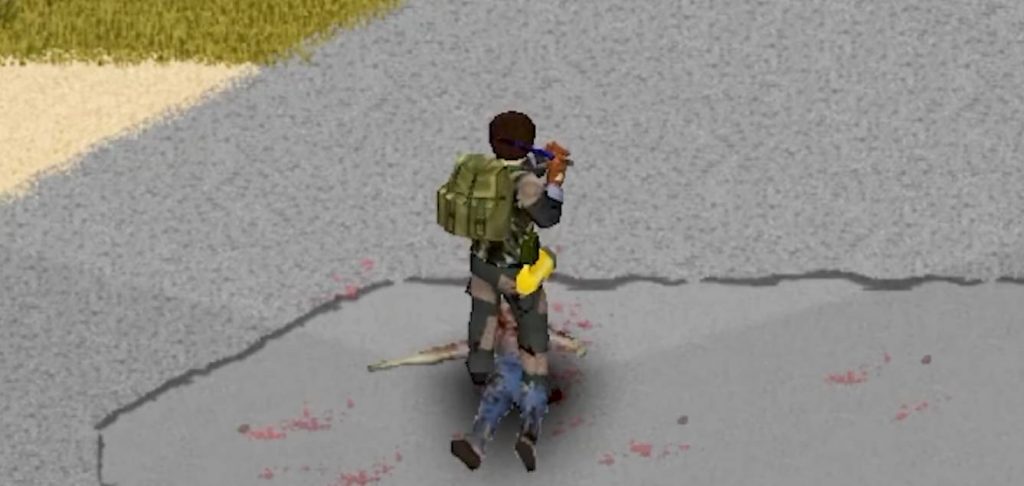
Project Zomboid is not just about fighting zombies, finding weapons, and building a safe base. You also need to take care of your survivor constantly. This is where Moodles become important. These icons appear on the right side of the screen and show your character’s current physical or mental condition.
Some Moodles are only warnings at first, while others can quickly turn into serious problems. Hunger, thirst, panic, exhaustion, injuries, temperature, sickness, and other conditions can all affect how well your survivor performs. Ignoring several Moodles at the same time can make even a simple zombie encounter extremely dangerous.
What Are Moodles in Project Zomboid?
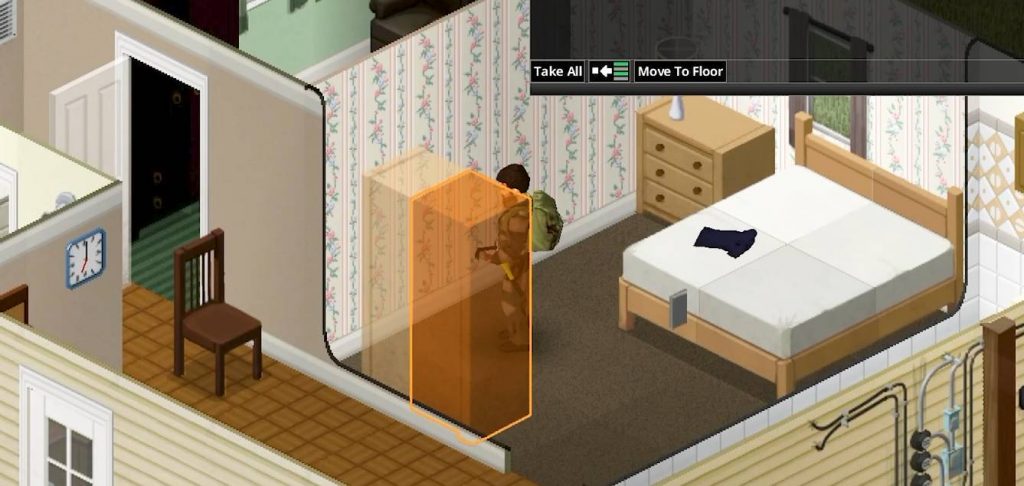
Moodles are status effects that describe what is happening to your character. They can be caused by basic needs, environmental conditions, injuries, illnesses, combat, equipment, or different actions performed during survival.
Most Moodles have multiple stages. The first stage usually gives a small penalty, but the effects become much stronger as the Moodle progresses. Some conditions can also stack together, which is why fighting while hungry, tired, injured, and exhausted is such a bad idea.
The important thing is to learn what each Moodle means and understand which ones require immediate attention.
Hungry
The Hungry Moodle represents your character’s need for food. Hunger gradually increases as time passes, with the rate affected by traits, activities, and other conditions.
Hunger and nutrition are separate mechanics. Hunger determines how much your character needs to eat, while nutrition is more closely connected to calories and body weight. Eating food can reduce hunger while also contributing nutritional value.
The main Hunger stages are:
- Peckish: Health regeneration is reduced by 25%.
- Hungry: Carrying capacity decreases, body heat drops slightly, and health regeneration is reduced further.
- Very Hungry: Carrying capacity drops further, body heat decreases more, and health regeneration is heavily reduced.
- Starving: Health regeneration stops completely, body heat drops significantly, and health begins to decrease over time.
There are also positive food-related Moodles that appear when your character has eaten enough. These can improve healing and allow certain negative effects, such as poison, to disappear faster.
The easiest way to manage Hunger is to keep a good food supply. Non-perishable food is especially useful for long-term survival. Cereal and other calorie-dense foods can also be useful when you need to recover from severe hunger.
Thirst
Thirst is another basic need that should never be ignored. Your character gradually becomes more thirsty and the rate can increase when you run, sprint, become overheated, or perform physically demanding activities.
Walking and standing generally consume fluids at a lower rate, while running increases the rate. Sleeping greatly reduces the rate of thirst accumulation.
The main Thirst stages include:
- Slightly Thirsty: Heat dissipation is reduced slightly.
- Thirsty: Carrying capacity drops, heat dissipation is reduced further, and health regeneration suffers.
- Parched: Carrying capacity and health regeneration are heavily affected.
- Dying of Thirst: Health regeneration is completely disabled and your character begins losing health.
Always carry a water bottle, canteen, or another suitable container. Keeping one filled is especially important once the normal water supply becomes unreliable.
Rain collectors and wells are useful long-term solutions. Be careful with questionable water sources because contaminated liquids can make your character sick.
Panic
Panic is mainly associated with encountering zombies. Your character can become increasingly panicked when seeing nearby zombies, especially when several of them are directly visible.
Panic is dangerous because it affects combat. It can narrow your vision, lower critical hit chances, reduce push effectiveness, and make ranged weapons less accurate.
The four main stages are:
- Nervous
- Alarmed
- Frightened
- Terrified
At higher levels, these penalties become much more noticeable. Panic can also make sleeping impossible and remove boredom temporarily.
Some traits have a major effect on panic. Brave characters are less affected by zombie presence, while Cowardly characters experience stronger panic. The Desensitized trait can prevent normal zombie-related panic, although it does not remove every fear-related effect.
Beta Blockers are useful when you know you are about to fight a large group of zombies. Reading books and improving happiness can also help reduce panic.
Interestingly, characters naturally become better at handling zombie panic the longer they survive. Panic recovery becomes significantly faster as more in-game time passes.
Bored
Boredom is mostly a mental condition caused by spending too much time without meaningful activities. Staying indoors for long periods, reading certain books, or repeatedly doing uninteresting activities can increase boredom.
The four stages are:
- Getting Bored
- Bored
- Very Bored
- Extremely Bored
Boredom itself is not usually an immediate combat threat, but higher boredom can increase unhappiness. That can eventually lead to additional problems.
You can reduce boredom by reading literature, watching television, listening to CDs or radio, crafting, building, and performing other useful activities. Keeping your survivor busy is one of the easiest ways to prevent boredom from becoming a bigger problem.
Stress
Stress can come from several different sources. Injuries, certain illnesses, blood-related conditions, meta events, uncomfortable clothing, poor sleeping conditions, and other situations can increase stress.
The stages include:
- Tense
- Agitated
- Stressed Out
- Breaking Point
As stress increases, combat performance can suffer. Melee and ranged weapons can become less effective, while unhappiness can also begin increasing.
There are several ways to reduce stress. Killing zombies can actually lower stress, while smoking can help characters with the Smoker trait. Reading, cleaning blood from your body, interacting with animals, picking flowers, and consuming certain happiness-boosting foods can also help.
Unhappy
Unhappiness is closely connected to prolonged boredom and stress. This Moodle becomes especially annoying because it affects how long timed actions take.
At higher levels, activities such as crafting, transferring items, building, and equipping equipment can take considerably longer.
The stages are:
- Sad: Timed actions take around 1.25 times longer.
- Weepy: Timed actions take around 1.5 times longer.
- Miserable: Timed actions take around 1.75 times longer.
- Hopeless: Timed actions can take around twice as long.
Literature, sweets, certain foods, animals, and antidepressants can help reduce unhappiness. Managing boredom and stress early is also useful because both conditions can contribute to unhappiness.
Drunk
Drunk is exactly what it sounds like. Your survivor gets this Moodle after consuming alcohol.
Being drunk affects vision, fatigue, sleep effectiveness, heat generation, driving controls, and movement. It can also make climbing and vaulting more dangerous because the character has a greater chance of falling.
The four stages are:
- Tipsy
- Inebriated
- Blasted
- Utterly Shitfaced
Ranged combat becomes increasingly difficult as drunkenness rises, while driving becomes particularly risky at higher levels.
There is no complicated strategy for managing this Moodle. If you are about to fight zombies, drive, or perform an important task, staying sober is the safer option.
Heavy Load
Heavy Load appears when your character is carrying more than their normal capacity. This Moodle can become extremely dangerous during exploration because it reduces movement and makes physical actions harder.
Being over-encumbered can increase the chance of stumbling or falling while running, sprinting, vaulting, or climbing. It also reduces attack speed, critical hit chance, endurance recovery, and the ability to block zombie attacks.
The stages include:
- Fairly Heavy Load: Movement and combat are affected, with increased chances of tripping.
- Heavy Load: Sprinting becomes unavailable and endurance recovery is heavily reduced.
- Very Heavy Load: Combat and movement penalties become severe, and the character can begin taking damage.
- Extremely Heavy Load: Movement and combat performance are heavily reduced, making combat extremely dangerous.
The best solution is simply to drop unnecessary items. If you are suddenly surrounded by zombies while carrying a heavy bag, getting rid of the bag can be much more valuable than trying to fight while overloaded.
Increasing Strength can improve carrying capacity, while certain traits can also affect how much your character can carry.
Endurance
Endurance is one of the most important conditions to monitor in Project Zomboid. Physical actions such as running, sprinting, swinging weapons, and carrying heavy loads consume endurance.
Running out of endurance during combat can leave your character almost helpless. This is especially dangerous because endurance problems can combine with fatigue and other Moodles.
The four stages are:
- Out of Breath: Melee damage, attack speed, movement, and blocking ability are reduced.
- High Exertion: Melee damage and attack speed drop significantly, while sprinting becomes unavailable.
- Excessive Exertion: Combat performance becomes extremely poor and running is disabled.
- Exhausted: Damage and attack speed are heavily reduced, making combat extremely dangerous.
The best way to manage endurance is to avoid wasting it. Do not continuously swing your weapon when you do not need to. Create space from zombies, rest when necessary, and give your character time to recover.
Heavy weapons and excessive movement can consume endurance quickly, especially when your character is already carrying too much.
Tired and Fatigue
Fatigue represents how tired your character is. It affects endurance regeneration, vision, weapon damage, accuracy, and body heat generation.
Fatigue becomes particularly dangerous when combined with endurance loss. A tired survivor who keeps fighting can quickly reach a point where even basic combat becomes difficult.
The stages include:
- Drowsy: Endurance regeneration is heavily reduced, melee damage suffers, and ranged accuracy is affected.
- Tired: Melee damage drops significantly and other combat penalties become stronger.
- Very Tired: Melee damage is reduced even further and push defense is affected.
- Ridiculously Tired: Endurance regeneration can stop completely and sleeping becomes essential.
Sitting and resting can slow fatigue buildup, while caffeine can temporarily help your character stay awake. However, caffeine does not replace proper sleep.
Traits such as Wakeful can reduce fatigue buildup, while Sleepyhead increases it. In the long run, the best solution is simply making sure your character gets enough sleep.
Hyperthermia
Hyperthermia occurs when your character becomes too hot. Hot weather, excessive clothing, physical activity, and certain illnesses can all contribute to overheating.
The four stages are:
- Unpleasantly Hot: Body temperature becomes high enough to increase thirst and fatigue.
- Overheated: Combat and running speed are reduced and discomfort increases.
- Sunstroke: Combat and running speed suffer much larger penalties and sleeping can be interrupted.
- Hyperthermic: Combat speed is heavily reduced, running is disabled, vision is affected, and endurance usage increases significantly.
If your character is overheating, remove unnecessary layers when it is safe to do so. Move somewhere cooler, reduce physical activity, and manage your clothing according to the weather.
Hypothermia
Hypothermia is the opposite problem. Instead of becoming too hot, your character becomes dangerously cold.
Cold temperatures can reduce movement and combat performance. Staying cold for too long can also increase the chance of developing a cold.
The stages are:
- Chilly: Natural healing is disabled and discomfort increases.
- Cold: Combat and running speed are reduced.
- Freezing: Movement and combat penalties become severe.
- Hypothermic: Combat speed is heavily reduced, running is disabled, and health can begin dropping under extremely cold conditions.
Wear warmer clothing, stay indoors when possible, use a fire or suitable heat source, and avoid remaining wet in cold weather. Being well-fed and maintaining good physical condition can also help with cold resistance.
Wind Chill
Wind Chill appears when your character is exposed to strong wind. It makes the survivor feel colder than the actual air temperature suggests.
The main levels are:
- Slight Wind Chill
- Uncomfortable Wind Chill
- Strong Wind Chill
- Horrific Wind Chill
Wind Chill mainly acts as an indicator that the environment is causing additional heat loss. The easiest solution is to move indoors or find a sheltered location.
Wet
Wetness occurs when your character or clothing becomes soaked. Rain, sweating, and heavy physical activity can all contribute to this condition.
Being wet becomes particularly dangerous during cold weather because your character loses heat faster.
The four stages are:
- Moist: Heat loss and discomfort increase.
- Wet: Heat loss becomes more noticeable, especially in cold conditions.
- Soaking: The chance of becoming sick increases along with heat loss.
- Drenched: Heat loss becomes very high and the chance of illness increases further.
An umbrella can reduce how quickly you become wet, although it does not completely prevent wetness. You can also dry yourself with towels or stand near a suitable heat source.
Going indoors and waiting for your clothes to dry is another simple solution.
Injured
The Injured Moodle appears when your character has lost health because of an injury or another source of damage. The exact effects depend on the location and severity of the injury.
The general stages are:
- A Little Hurt: Health is below around 80%.
- Injured: Health is below around 60% and carrying capacity is reduced.
- Severe Injuries: Health is below around 40% and carrying capacity is reduced further.
- Critical Injuries: Health is below around 25%, with a larger carrying capacity penalty.
Always check the Health panel when this Moodle appears. Different wounds require different treatment, and ignoring an injury can lead to bleeding, infection, pain, or further health loss.
Rest is also important. Avoid returning to combat while your character is already seriously injured.
Pain
Pain can come from injuries, muscle fatigue, poor sleeping conditions, food poisoning, and other negative conditions.
The location of an injury can influence how much pain your character experiences. Severe pain can also interfere with sleep and physical activities.
The main stages are:
- Minor Pain: Increased chance of tripping.
- Pain: Greater chance of tripping and reduced movement or combat performance depending on the injury.
- Severe Pain: Large penalties to movement, damage, and attack speed.
- Agony: Severe movement and combat penalties, with exercise becoming unavailable.
Painkillers are one of the main ways to control severe pain. Treating the actual injury is equally important because reducing the source of the pain is better than simply masking it.
Bleeding
Bleeding appears when your character has an open wound that is actively losing blood. Scratches, bites, lacerations, burns, deep wounds, and other injuries can cause bleeding.
The longer a wound remains untreated, the more health your character can lose.
The stages include:
- Minor Bleeding: At least one bleeding wound with gradual health loss.
- Bleeding: Multiple bleeding wounds with increased panic and health loss.
- Severe Bleeding: More wounds and significantly higher health loss.
- Massive Blood Loss: Extremely dangerous bleeding from several wounds or serious wounds such as a neck injury.
Bandages are essential for stopping active bleeding. You can find them while looting medical locations or create basic bandages by ripping clothing.
Treat bleeding as quickly as possible. A wound that looks manageable can become a serious problem if you leave it untreated while continuing to fight or explore.
Restricted Movement
Restricted Movement appears when your character cannot move normally. Several conditions can cause it, including leg injuries, being barefoot, heavy clothing, over-encumbrance, or other effects that reduce movement speed.
Unlike many other Moodles, this one does not have several traditional stages.
When it appears, check what is restricting your character. Remove unnecessary heavy equipment when safe, treat injuries, reduce your carried weight, and make sure your footwear and clothing are suitable.
Has a Cold
A cold can develop after your character spends too much time exposed to cold or wet conditions. Once sick, your character can cough and sneeze, creating unwanted noise that may attract zombies.
The cold becomes stronger before eventually recovering. Staying healthy during this process is important.
The stages are:
- Runny Nose
- Sniffles
- Head Cold
- Nasty Cold
Rest, staying indoors, keeping warm, remaining well-fed, and avoiding additional exposure to cold or rain can help your character recover.
Tissues can also be useful for reducing the noise caused by coughing and sneezing.
Traits such as Outdoorsy and Resilient can help reduce the chance or impact of illness, while Prone to Illness makes characters more vulnerable.
Sick
The Sick Moodle represents a broader illness condition and can have several different causes. Eating unsafe food, consuming contaminated water, being around large numbers of rotting corpses, and certain infections can all cause sickness.
Sickness can increase body heat generation and eventually affect health.
The main stages are:
- Queasy: Mild sickness effects begin.
- Nauseous: Carrying capacity and healing are affected.
- Sick: Stronger penalties appear and carrying capacity is reduced further.
- Fever: The character becomes extremely vulnerable and can suffer serious penalties.
Avoid raw or spoiled food and stay away from large piles of rotting bodies. Keeping your character well-fed and rested can help with recovery.
Some traits also affect sickness. Resilient characters are better at resisting certain illnesses, while Prone to Illness makes sickness more problematic. Iron Gut can help against food-related sickness.
Noxious Smell
Noxious Smell is commonly associated with dangerous smells from rotting corpses or toxic generator fumes.
When you stay around rotting bodies, sickness can begin increasing. The longer you remain nearby, the more serious the effect becomes.
The corpse-related stages include:
- Bad to Smell
- Awful Odor
- Overwhelming Stench
There is also Deadly Fumes, which is associated with dangerous generator fumes. Running a generator inside an enclosed living area is extremely dangerous because the fumes can cause severe health problems.
Keep generators outside your main living space and place them somewhere with proper ventilation. When dealing with corpses, move them away from your base or dispose of them safely.
Discomfort
Discomfort is an important Moodle in Build 42 because it can be caused by equipment, clothing, wetness, cold, sleeping conditions, and other environmental factors.
Heavy protective equipment, masks, helmets, bulletproof vests, and similar items can have a discomfort value. You can check an item’s information to see whether it contributes to discomfort.
The stages are:
- A Little Uncomfortable: Around 20–40 discomfort.
- Uncomfortable: Around 40–60.
- Very Uncomfortable: Around 60–80.
- Extremely Uncomfortable: Above 80.
Discomfort is mostly about managing your equipment and surroundings. Wearing heavy protective gear can be useful in dangerous situations, but you may not want to keep every layer equipped when you are safely inside your base.
Dead and Zombie
The final Moodles are Dead and Zombie. There is obviously no survival strategy for the Dead Moodle because it means your character has already died. The Zombie Moodle appears after your character becomes a zombie. The best way to deal with these two Moodles is to avoid reaching them in the first place.
Which Moodles Should You Deal With First?
Not every Moodle needs the same level of attention. A small amount of boredom is very different from being exhausted while surrounded by zombies.
Combat-related conditions should generally receive immediate attention because they can directly reduce your ability to survive an encounter. Endurance, fatigue, heavy load, panic, serious pain, bleeding, and major injuries are especially dangerous when you are near zombies.
Basic needs such as hunger and thirst should also be managed before they reach their highest levels. Temperature, wetness, sickness, and discomfort can become serious when several of them appear together.
A good habit is to check the right side of your screen before starting a dangerous activity. If several negative Moodles are active, take a moment to deal with them instead of rushing into another fight.
How to Manage Moodles in Project Zomboid
The easiest way to survive longer is to prevent several Moodles from stacking at once. A tired survivor carrying too much equipment while hungry, thirsty, injured, and panicked is far weaker than a healthy survivor.
Keep food and water available, sleep regularly, avoid unnecessary fights, treat wounds immediately, manage your clothing according to the weather, and drop heavy loot when it starts affecting your movement.
Project Zomboid rewards players who slow down and pay attention to their character’s condition. You do not always need another weapon or more ammunition. Sometimes the best survival decision is simply eating, drinking, resting, cleaning your wounds, and waiting until your survivor is ready to move again.
Moodles are one of the most important systems to understand in Project Zomboid Build 42. They may look like small icons on the side of the screen, but many of them can completely change how your character performs.
Learning what each Moodle means makes it much easier to recognize danger before it becomes a death sentence. Keep an eye on your survivor’s needs, avoid letting multiple negative effects build up, and most importantly, do not enter a zombie fight while your character is already exhausted or seriously injured.
Project Zomboid