


6 Games That Left Gacha Behind and Became Premium Games in 2026!
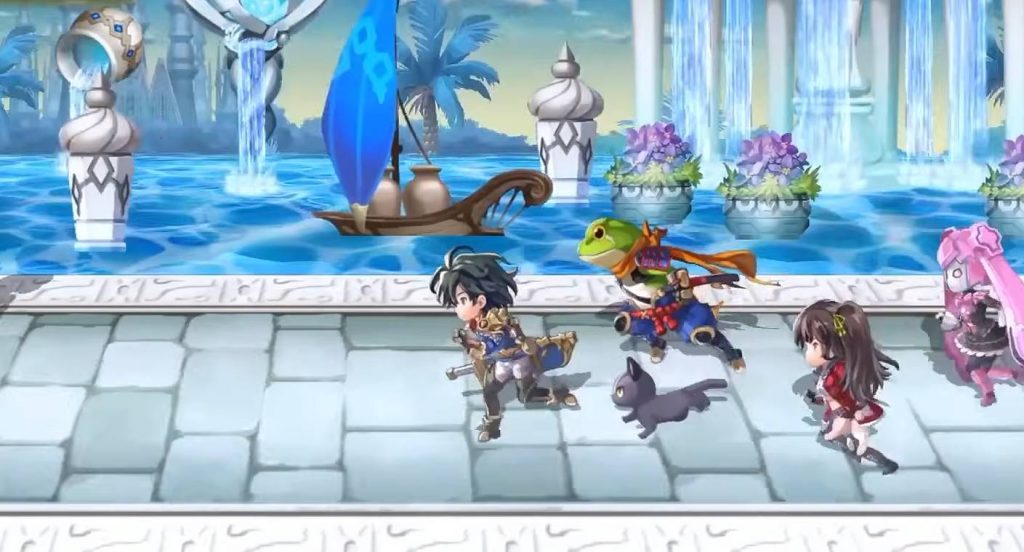
Gacha games are a major part of the Japanese and Asian gaming industry, especially on mobile platforms. Many of them build large communities around character banners, limited events, daily rewards, stamina systems, and constant progression. But when a live-service game eventually shuts down, all of that content can disappear with the servers.
Some developers have taken a different approach. Instead of letting their worlds and assets disappear after an end-of-service announcement, they have reused the ideas, characters, systems, and assets from their gacha games to create premium or offline experiences.
This has resulted in some interesting projects. Some are direct reworks, while others use the original game’s world and foundation to create something that feels more like a traditional RPG. Here are six notable examples.
1. Final Fantasy Brave Exvius to Final Fantasy Resonance
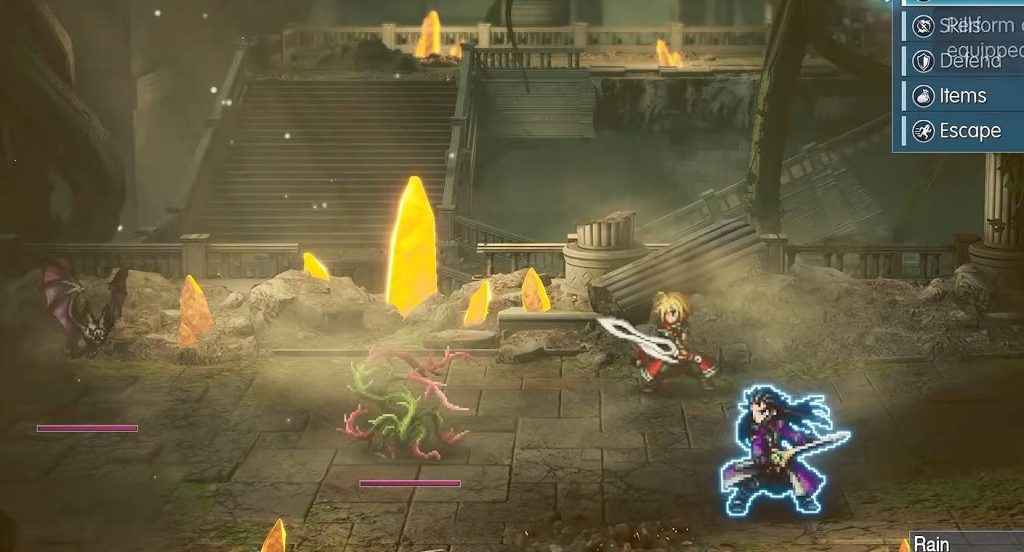
Final Fantasy Brave Exvius was once one of the biggest Final Fantasy mobile games, combining familiar characters and a new story with the progression systems commonly found in gacha RPGs.
The game had plenty of content, including characters, music, exploration, and story chapters. However, its live-service structure also came with systems such as stamina, character banners, limited events, grinding, and power progression.
After the original game eventually reached the end of its service, Square Enix had an opportunity to reuse the world and creative assets in another project.
That led to Final Fantasy Resonance, a new premium RPG project that builds on elements associated with the earlier game while presenting them in a different format.
At the time covered by the source information, Final Fantasy Resonance had not yet received its full release, although a demo was already available to try. The demo reportedly showed a more traditional premium-game experience compared with the original mobile title.
The interesting part is that the original project had already established a large amount of worldbuilding, characters, music, and other creative material. Reworking those elements into another game gives the developer a way to continue using that investment rather than simply leaving everything behind after the mobile service ends.
2. Octopath Traveler: Champions of the Continent to Octopath Traveler 0
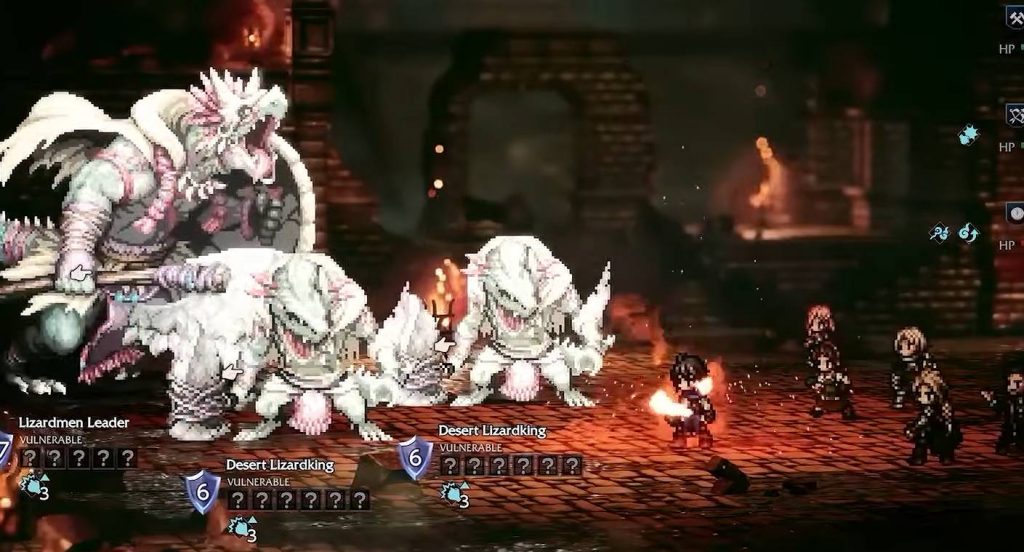
Another Square Enix example comes from the Octopath Traveler series.
The original gacha title was Octopath Traveler: Champions of the Continent, a mobile RPG that served as a prequel to the main Octopath Traveler games. Despite being a mobile gacha game, it retained many of the franchise’s recognizable elements, including its visual style, worldbuilding, music, story structure, and turn-based combat.
Because the game was designed around the Octopath Traveler identity, it could feel much closer to a traditional RPG than some other mobile gacha titles. However, players who prefer games without gacha mechanics still had a reason to avoid it.
Octopath Traveler 0 takes another approach by presenting a premium RPG experience for PC and consoles.
Rather than simply removing the gacha button and selling the same game, the developers reworked the experience. Players get their own protagonist, while progression, character recruitment, and world development are structured around a traditional RPG format.
Some elements from the mobile game remain recognizable, including parts of its world, characters, and story concepts. However, they are rearranged into a standalone experience instead of being tied to a live-service character collection system.
This makes Octopath Traveler 0 an interesting example of how existing gacha material can become the foundation for a new premium RPG.
3. Another Eden to Another Eden: The Beginning
Another example comes from Another Eden, a mobile RPG known for putting more emphasis on its single-player story than many traditional gacha games.
The original game already had many characteristics of a classic Japanese RPG. Its main story did not depend entirely on multiplayer competition, and players could experience the adventure at their own pace.
Another Eden also has an interesting connection to the Chrono series because its writing involved Masato Kato, who worked on Chrono Trigger and Chrono Cross. This helped give the game a strong focus on adventure and time-travel themes.
Despite its single-player focus, the mobile version still included familiar gacha mechanics, power progression, collaborations, and other live-service elements.
Another Eden: The Beginning takes the earlier foundation and turns it into a premium standalone experience.
The project focuses on the beginning of the protagonist’s journey, with characters joining the adventure through progression and the story rather than through character banners. The experience also removes systems such as stamina and the traditional gacha structure.
Another interesting detail is that the original Another Eden continues to exist alongside the newer premium project. This means the premium game is not simply replacing the mobile title.
Instead, both experiences can offer different ways to enjoy the same broader universe. The premium version can appeal to players who like the story and world but do not want to deal with the mechanics normally associated with live-service gacha games.
4. Atelier Resleriana to Atelier Resleriana: The Red Alchemist & the White Guardian
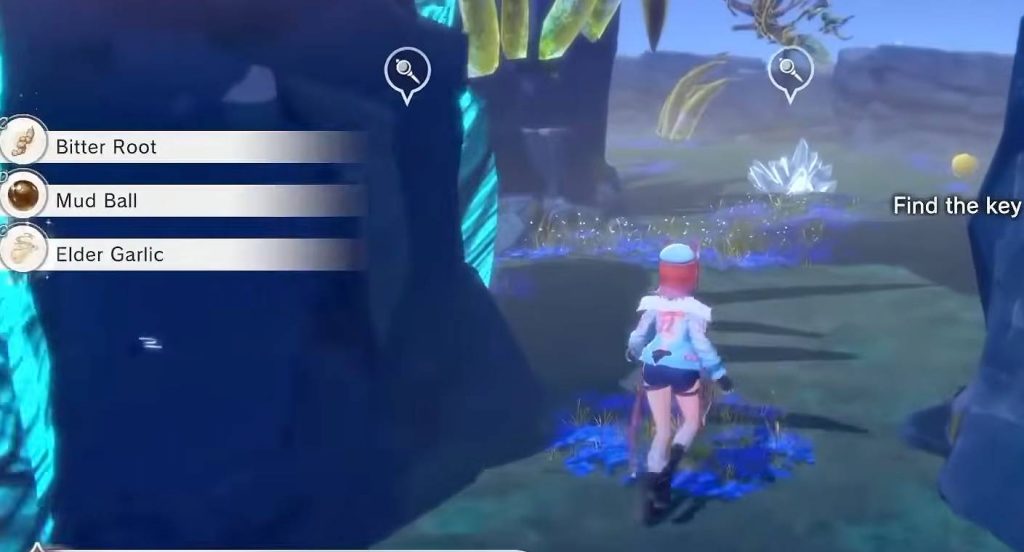
The Atelier franchise provides another unusual example of this approach.
Atelier Resleriana: The Forgotten Alchemy and the Liberator of Polar Night was released as a mobile and PC gacha RPG. It was presented as an important part of the broader Atelier universe rather than simply being treated as a small side project.
However, both the Japanese and global versions eventually reached the end of service.
Instead of allowing all of the game’s creative work to disappear, the developers created Atelier Resleriana: The Red Alchemist & the White Guardian.
This new title is a premium offline RPG without the original gacha system. More importantly, it is not simply the mobile game with the gacha mechanics removed.
The developers created a different protagonist and a new story while retaining parts of the world, characters, and other assets connected to the original game.
The gameplay was also moved closer to what players traditionally expect from an Atelier title. The premium game features exploration, combat, shop development, and the series’ familiar alchemy and synthesis mechanics.
That makes it different from a simple conversion of a mobile game into an offline release. Instead, the developers used the previous game as a foundation while creating a separate RPG around it.
For fans of Atelier, this approach also gives some of the original game’s world and ideas another opportunity to live on after the mobile title’s service ends.
5. Solo Leveling: ARISE to Solo Leveling: ARISE OVERDRIVE
The move from gacha to premium gaming is not limited to Japanese developers.
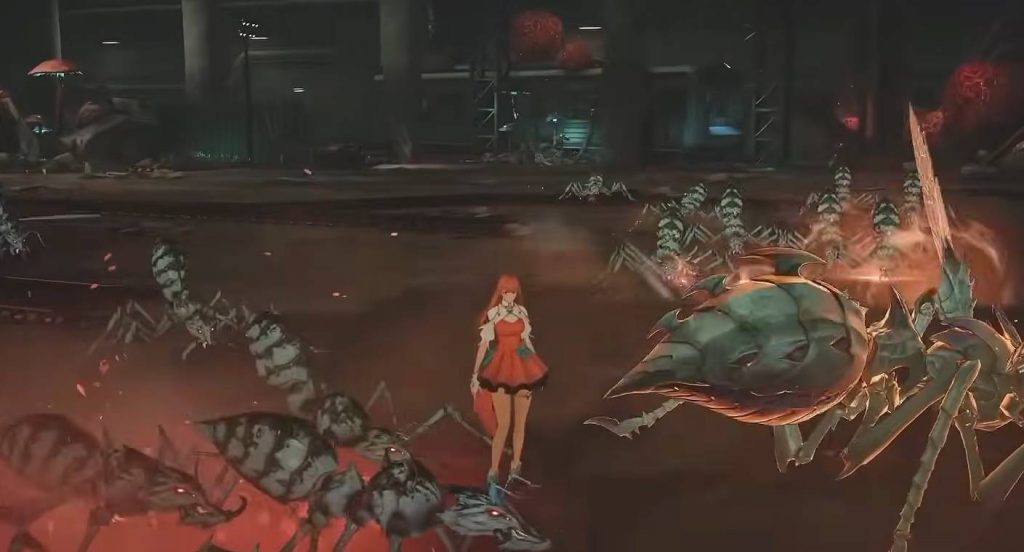
Netmarble’s Solo Leveling: ARISE provides an example from the Korean gaming industry.
The original Solo Leveling: ARISE was an action RPG released for mobile and PC. Players could control Sung Jinwoo while also collecting various Hunters through a gacha system.
The combat was one of the game’s major features. Players could switch weapons, use skills, dodge attacks, fight bosses, and develop Sung Jinwoo’s abilities while following the progression style associated with the Solo Leveling franchise.
The foundation was later expanded into Solo Leveling: ARISE OVERDRIVE, a separate premium action RPG designed for PC and consoles.
The new game removes the need to obtain Hunters through character banners and does not rely on the same daily live-service structure. Instead, it is sold as a standalone game and focuses on progression through the game itself.
The connection between the two games is still easy to see. ARISE OVERDRIVE takes the combat foundation and general concepts from the earlier title, then adapts them toward a more conventional premium action RPG.
Its progression also puts more emphasis on repeatedly exploring content and collecting resources to improve equipment, giving it a structure that can feel closer to traditional dungeon-based games.
It is not a direct offline conversion of Solo Leveling: ARISE, but it demonstrates how a successful gacha game’s core gameplay can be adapted into another commercial format.
6. Mega Man X DiVE to Mega Man X DiVE Offline
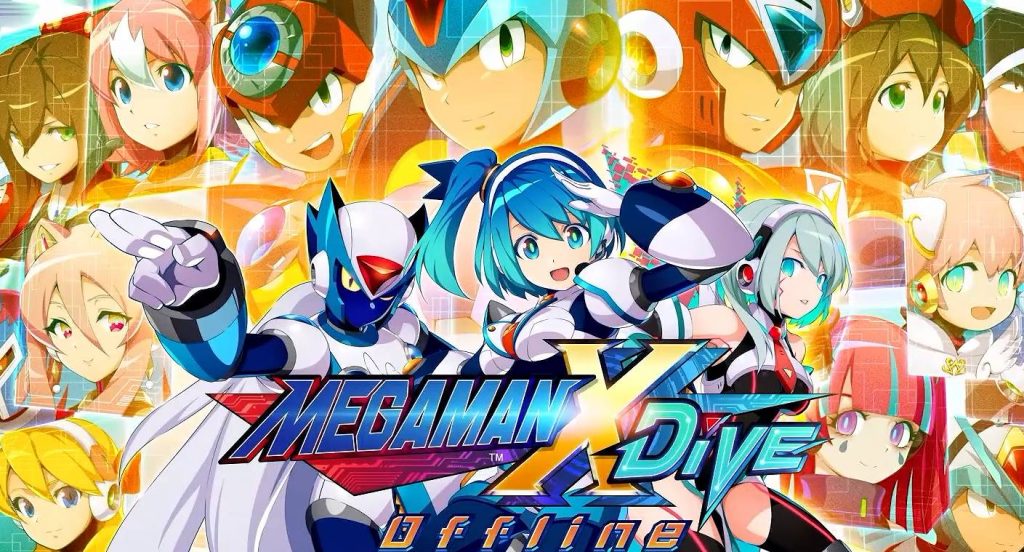
Mega Man X DiVE is perhaps one of the clearest examples of a gacha game receiving an offline version.
The original Mega Man X DiVE was a mobile gacha game that brought together different versions of characters from the Mega Man franchise. Players could collect characters such as X, Zero, and Axl alongside many other characters inspired by the series’ history.
Like many mobile gacha games, the original version included currencies, duplicate characters, events, daily activities, upgrades, and other systems designed around long-term progression.
Eventually, the online game reached the end of its service.
Capcom then released Mega Man X DiVE Offline, removing the gacha and online-service requirements from the experience.
Characters and weapons that were previously obtained through random pools could instead be unlocked through progression or purchased using in-game currency.
The offline release also preserved a large amount of content from the original game, including more than 100 characters, hundreds of stages, the main story, weapon upgrades, and various other gameplay features.
Not every piece of content could make the transition. Some collaboration material was affected by licensing limitations, which meant that certain content could not be included in the offline version.
Even so, Mega Man X DiVE Offline provides a way for a large portion of the original game to remain playable without depending on an active server.
Why Are Developers Reusing Gacha Game Assets?
There is a practical reason behind this trend. Developing a large live-service game requires enormous amounts of work, from character designs and animations to music, environments, stories, combat systems, and other assets.
When a game reaches the end of service, much of that work can become inaccessible to players.
Creating a premium game using some of that existing foundation gives developers another way to make use of their previous investment. The new game can still require significant development, but the team may already have a large amount of established material to build around.
There is also a preservation benefit. A traditional offline game does not need the same permanent server infrastructure as a live-service title.
For players, this means a game can potentially remain accessible long after the original online service has ended.
Gacha Games Can Have More Than One Life
These examples show that the end of a gacha game’s service does not necessarily have to mean the end of its entire universe.
Final Fantasy Resonance, Octopath Traveler 0, Another Eden: The Beginning, Atelier Resleriana: The Red Alchemist & the White Guardian, Solo Leveling: ARISE OVERDRIVE, and Mega Man X DiVE Offline all demonstrate different ways developers can take ideas from live-service games and build new premium experiences.
Some are closely connected to their original games, while others use the previous title mainly as a foundation for a new story or gameplay structure.
The approach also gives players another way to experience franchises without relying on character banners, stamina systems, daily missions, or constantly changing live-service content.
The relationship between gacha and premium games is becoming more interesting as developers experiment with ways to reuse their existing worlds and assets. A game reaching the end of service does not always have to mean that its characters, stories, and gameplay disappear forever.
The six examples above show several different approaches, from direct offline adaptations to completely new premium games that share characters, worlds, or gameplay foundations with their gacha predecessors.
Mega Man X DiVE Offline demonstrates how an online gacha game can be transformed into a standalone experience, while games such as Octopath Traveler 0 and Atelier Resleriana: The Red Alchemist & the White Guardian take a broader approach by creating new premium RPG experiences from established foundations.
If this trend continues, more developers may look at their older live-service games not only as products that have reached the end of their life cycle, but also as foundations for entirely new premium releases.