


7 Clover Time Beginner Guide, Noob to Pro!
Starting Clover Time can feel confusing because the game throws several systems at you almost immediately. You have races, classes, traits, weapons, Grimoires, tools, quests, and different ways to improve your character. Knowing what to prioritize early can save you a lot of time. This Clover Time beginner guide covers seven important tips for new players. Whether you are just creating your character or already exploring the first areas, these tips can help you understand the progression system and build a stronger character.
1. Set Up Your Character Before Exploring
Your first priority should be getting your character properly set up. Clover Time allows you to customize your appearance and roll for important character options such as races, classes, and traits.
The Hage Priest NPC in the starting area is particularly important because this is where you can roll for these options. Do not immediately rush through the starting area without checking what the NPCs offer.
Pay attention to your race, class, and trait because these systems can influence how your character develops. Once you understand what each option does, you can decide whether your current setup is worth keeping or whether you want to work toward a different combination.
2. Learn the UI and In-Game Guide
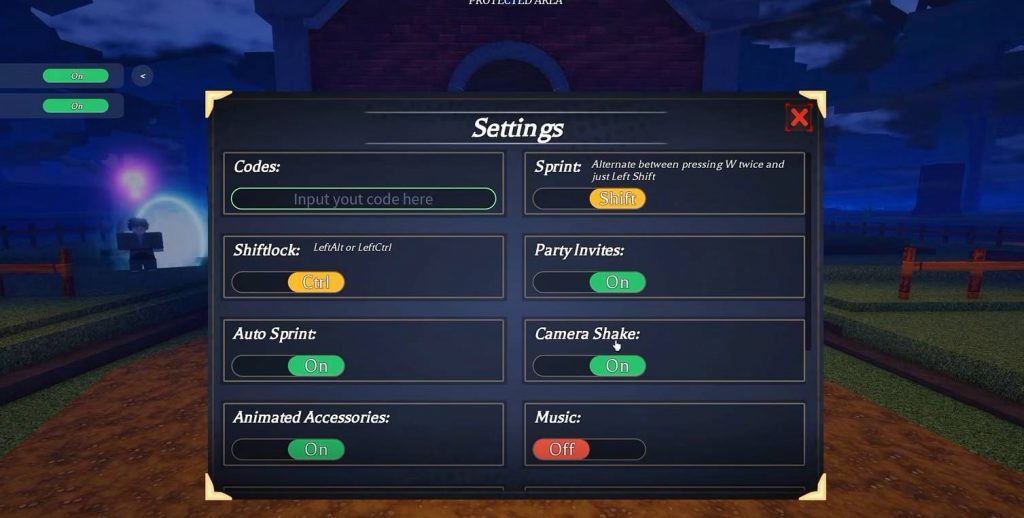
Clover Time has several menus, and learning where everything is will make the early game much easier. Check your inventory, profile, achievements, settings, and other menus before heading too far into the world.
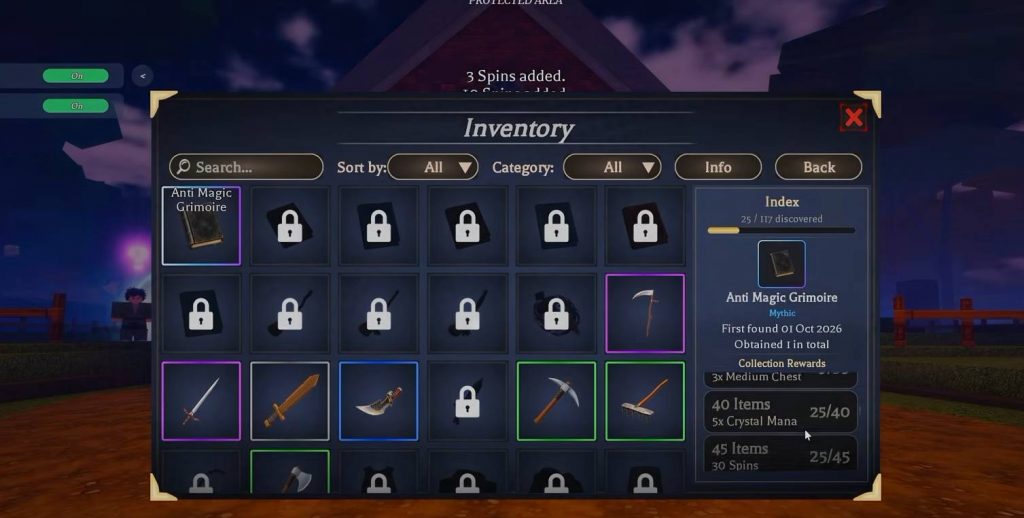
The inventory also has filters that can help you organize your items. This becomes increasingly useful once you start collecting weapons, materials, tools, and other equipment.
You should also use the game’s built-in guide. It explains some of the systems that may not be obvious at first, including activities involving tools and equipment. Instead of randomly testing everything, check the guide whenever you are unsure about a feature.
3. Start Collecting Materials Early
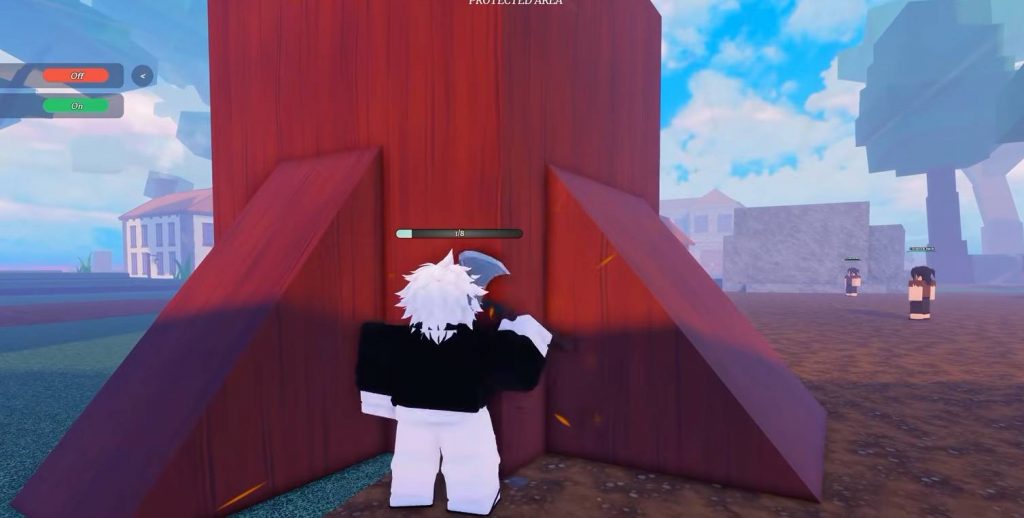
Do not focus entirely on combat when you first begin playing. Clover Time includes several side activities that require different tools, and gathering materials can become useful as you progress.
For example, an axe can be used to chop down trees and collect wood, while a rake can be used for crop-related activities. Fishing also becomes available through the game’s progression systems.
Make a habit of collecting useful materials while exploring instead of ignoring them. Even if you do not immediately need everything you find, having resources available can save you from having to return to the same locations later.
4. Upgrade Your Weapons and Practice Combat
7 Clover Time Beginner Guide, Noob to Pro!
Combat is one of the biggest parts of Clover Time, so new players should spend some time learning how the basic attack system works. Your M1 attacks are the foundation of combat, while weapons can provide additional abilities.
Start with the equipment available to you and test each weapon before deciding what you prefer. Swords, daggers, scythes, and other weapons can provide different combat experiences.
Do not worry about having the strongest weapon immediately. Your goal during the early game should be learning attack ranges, enemy patterns, cooldowns, and movement. Understanding these basics will make it easier to handle stronger enemies later.
5. Work Toward a Grimoire
Grimoires are one of the most important progression systems in Clover Time, especially if you want to focus on magical abilities. You can find the Grimoire gacha by following the tower icon on the compass.
Obtaining a strong Grimoire can take time because the system relies on random rolls. Do not spend all your resources without understanding what you are rolling for.
Once you obtain a Grimoire, test its abilities and learn its strengths. Some abilities may be better for fighting groups of enemies, while others can be more useful against individual targets.
6. Look for Awakening and Mobility Options
Getting your Grimoire is not necessarily the end of its progression. Some Grimoires can receive an awakening that provides a new moveset and stronger abilities.
For example, Anti-Magic has an awakening sequence that unlocks another set of attacks. This gives players an additional goal after obtaining the Grimoire itself.
You should also look for mobility options while exploring. Brooms can be obtained in the game and allow players to fly around the map. Faster movement can make a significant difference when traveling between quests, NPCs, and farming locations.
7. Don’t Rush to Become Overpowered
The final beginner tip is simple: take your time and learn the game before trying to maximize everything. Clover Time has multiple progression systems, so rushing toward one specific feature can make the rest of the game feel confusing.
Complete quests, experiment with weapons, gather materials, learn your Grimoire, and explore the map. If you find a system you enjoy, focus on improving that part of your character.
As you become more familiar with the game, you can start optimizing your race, class, trait, equipment, and Grimoire around a specific playstyle. This is where you can gradually move from a new player toward a much more experienced Clover Time character.
Clover Time has a lot for new players to learn, but the early game becomes much easier once you understand what each system is designed for. Start by setting up your character, learning the menus, gathering resources, and practicing combat before worrying about advanced builds.
Your main long-term goals should be improving your equipment, obtaining a useful Grimoire, learning its abilities, and unlocking stronger progression options. With these seven beginner tips, you can avoid some common mistakes and build a solid foundation for your Clover Time journey.
Clover Time