


Throw Food for Animals Beginner Guide – Best Upgrades, Food, and Money Farming Tips!
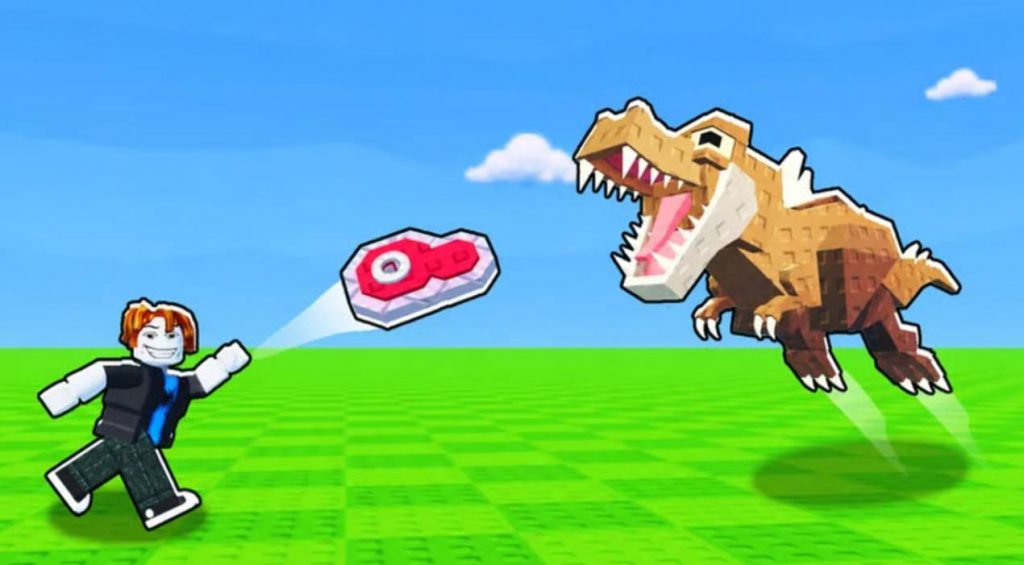
Progressing in Throw Food for Animals is all about improving your throwing strength, collecting better animals, and building a steady source of passive income. This Roblox simulator lets you attract different animals by throwing food across various biomes, with stronger throws allowing you to reach areas that contain more valuable creatures.
However, simply throwing food as far as possible isn’t enough. You also need to upgrade your food quality because better food increases your chances of attracting rarer animals. The money generated by your collection can then be reinvested into training equipment, food, and base upgrades.
This guide covers everything you need to know about progressing in Throw Food for Animals, including which upgrades to prioritize, how to throw food farther, and how to earn money faster.
What Should You Upgrade First in Throw Food for Animals?
If you’re just starting Throw Food for Animals, your first priority should be improving Throw Power. After completing the tutorial, you will unlock the pull-up bar at your base, which allows you to train your character and increase throwing distance.
Your next goal should be upgrading the pull-up bar so you can gain Throw Power faster. However, don’t completely ignore food upgrades, since better food helps you attract animals with higher rarities and better income.
Here is what you should prioritize depending on your current situation:
- Your throws cannot reach distant areas: Train Throw Power and purchase better pull-up bars to increase your throwing distance.
- You’re still attracting low-rarity animals: Save money for higher-tier food to improve your chances of finding better creatures.
- Your base is running out of space: Purchase base size upgrades to increase your animal capacity.
- Your collection contains unwanted animals: Sell them through the selling stand or the Animals menu.
- You’re taking too long to complete a biome: Focus on improving your Throw Power so you can reach the next biome and discover more valuable animals.
The important thing is to balance your upgrades. Spending all your money on training while ignoring food progression can slow down your collection, while buying expensive food without enough throwing strength can prevent you from reaching new biomes.
Your First Session Priorities
When starting a new account, you don’t need to purchase everything immediately. Instead, focus on creating a simple progression loop that allows your animals to generate enough money for future upgrades. Follow these steps to get started:
- Complete the tutorial to unlock the pull-up bar.
- Use the training equipment to increase your Throw Power.
- Upgrade your pull-up bar whenever you have enough money.
- Use your free Carrot to start attracting animals.
- Aim for a throwing meter result as close to 20 as possible.
- Place collected animals inside your base to generate passive income.
- Reinvest your earnings into better food and training equipment.
- Expand your base when you need additional animal spaces.
Once you have a few animals generating money, your progression should become easier. You can use their income to purchase better upgrades without constantly relying on manual farming.
How to Throw Food Farther in Throw Food for Animals
Throwing distance is one of the most important mechanics in Throw Food for Animals. Your character’s Throw Power determines how far food can travel, while your timing during the throwing minigame affects how effectively you use that strength.
If you want to reach new biomes, you need to improve both your training progress and throwing accuracy. A stronger character with poor timing might not get the distance you expect, so make sure you understand how the throwing meter works.
Train Throw Power Using the Pull-Up Bar
The pull-up bar becomes available after you finish the tutorial. You can find it attached to your base, where you can exercise to increase your Throw Power.
Training improves your throwing distance, allowing you to reach animals in more distant areas. You can also purchase better pull-up bars to increase how quickly you gain strength.
One useful feature is that you can continue training while AFK. However, active training has an advantage because special pop-up events can appear while you are exercising.
Click these events whenever they show up to temporarily double your training speed. Taking advantage of these bonuses can help you build Throw Power faster than simply leaving your character unattended.
Aim for 20 on the Throwing Meter
After selecting your food, you will enter a throwing minigame with a meter ranging from 0 to 20. Your objective is to stop the meter as close to 20 as possible.
A higher result sends your food farther, helping you reach animals located deeper into the map. This becomes increasingly important when you start exploring biomes that require more throwing distance.
Once your food lands, nearby animals can pick it up. You can then collect them and bring them back to your base, where they become part of your animal collection.
For the best results, combine higher Throw Power with accurate timing instead of depending on only one of these mechanics.
Which Food Should You Buy First?
Food is another important part of progression because it affects the animals you can attract. Even if you have enough Throw Power to reach distant biomes, using low-quality food can limit your chances of finding rarer creatures.
You can purchase food from the blue-and-white Food Shop located immediately to the left of your base entrance. The shop contains multiple food options, with each item belonging to a specific tier and rarity.
Instead of purchasing every available food item, consider saving your money for the next major tier upgrade. For example, Toast is the first Tier 2 food and costs $4K, making it an important early savings target.
Early Food Prices and Upgrade Progression
The following list covers the first six food tiers, including their rarity and purchase costs. All prices use in-game currency.
Tier 1
- Carrot – Common – Free starter food.
- Apple – Common – $30.
- Banana – Common – $150.
Tier 2
- Toast – Uncommon – $4K.
- Orange – Uncommon – $20K.
Tier 3
- Pear – Uncommon – $200K.
- Cheese – Rare – $1M.
Tier 4
- Bread Loaf – Rare – $12M.
- Watermelon – Rare – $60M.
Tier 5
- Croissant – Epic – $650M.
- Chocolate – Epic – $3.2B.
Tier 6
- Mushroom – Epic – $30B.
- Bacon – Legendary – $150B.
Food progression doesn’t stop at Tier 6. The game features 38 food items across 16 tiers, with some of the highest-tier options reaching Cosmic rarity.
Examples of late-game food include:
- Ghost Chowder.
- Calamari Rings.
- Phantom Lobster.
This means food upgrades will remain important even after you have progressed through several biomes. Keep improving your food alongside Throw Power to increase your chances of attracting valuable animals.
How to Earn More Money From Animals

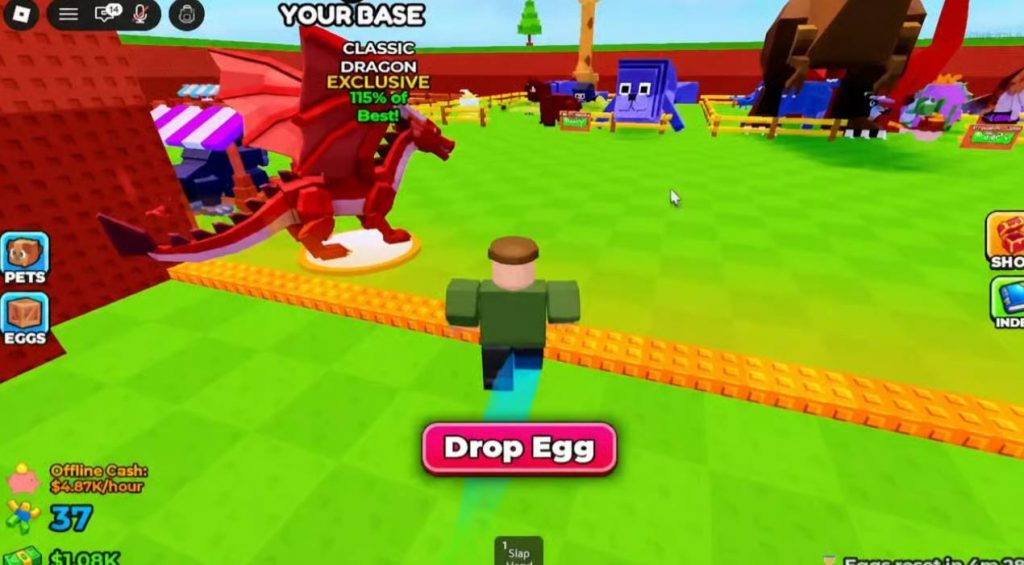
The main source of income in Throw Food for Animals comes from the animals you collect. After attracting an animal, you can place it inside your base’s pen, where it will generate money every second.
Different animals have different income values depending on their rarity and biome. Common animals from the starting areas provide relatively small amounts, while higher-rarity creatures from later biomes can generate significantly more money.
Another useful feature is offline income. Your animals continue generating money even when you are not actively playing, allowing you to return later with additional funds for upgrades. To improve your earnings, focus on these activities:
- Collect animals with higher passive income.
- Replace weaker animals when you find better ones.
- Keep your base filled with income-generating creatures.
- Upgrade your Throw Power to reach more valuable biomes.
- Purchase higher-tier food to attract rarer animals.
The goal is to build a collection that generates enough passive income to support your next upgrades without requiring constant grinding.
Expand Your Base When You Need More Space
As your collection grows, you will eventually run out of room inside your base. When this happens, you can purchase a base size upgrade to increase the number of animals you can keep.
You can find the base size upgrade button just to the right of your base entrance. Each purchase adds two additional animal spaces, allowing you to keep more creatures generating money.
However, you shouldn’t spend all your money expanding your base immediately. Additional spaces are only useful when you have enough valuable animals to fill them.
Continue prioritizing Throw Power and food upgrades, then purchase more capacity whenever your collection starts becoming too large for your current base.
How to Sell Unwanted Animals
Not every animal you collect needs to stay inside your base. As you progress, you will probably find creatures that generate less money than your newer animals.
Instead of keeping them and wasting valuable space, you can sell unwanted animals using two different methods:
- Visit the red-and-white selling stand located to the right of the food-throwing area.
- Open the Animals menu on the right side of your screen and sell animals directly from there.
Selling weaker animals helps you manage your collection and make room for better creatures. This becomes especially useful when you start attracting animals from later biomes.
All Biomes in Throw Food for Animals

Throw Food for Animals features 15 progression zones, each containing different animals with their own rarities and income values. As your Throw Power increases, you can send food farther and reach new areas. The biome order also gives you an idea of how far you need to progress before encountering stronger animals. Here is the complete biome progression:
Zones 1–5:
- Forest
- Savanna
- Desert
- Jungle
- Ocean
Zones 6–10:
- Mountains
- Taiga
- Winter
- Prehistoric Forest
- Deep Waters
Zones 11–15:
- Ancient Ruins
- Mythical Paradise
- Shadow Realm
- Harvest Fields
- Phantom Harbor
Each new biome introduces additional animals that can improve your passive income. Instead of spending too much time collecting every creature in your current area, consider moving forward once you have enough Throw Power.
Later biomes generally offer more valuable animals, which can help you earn money faster and purchase better equipment.
Is Completing the Animal Index Worth It?
The Animal Index is a collection feature that allows you to track every animal you have discovered. You can access it using the Index button on the left side of your screen.
Completing an entire biome’s animal collection also gives you an additional cash reward. This makes the Index useful if you want to earn extra money while working toward collecting every available creature.
However, completing every animal isn’t always the fastest way to progress. Some animals can take longer to attract, especially when you’re trying to obtain higher-rarity creatures.
If your main goal is to increase your income, prioritize reaching new biomes and collecting stronger animals first. You can return to unfinished collections later when you have better food and enough Throw Power.
On the other hand, if collecting every animal is your main objective, the Index gives you a clear way to track your remaining discoveries.
Are There Any Throw Food for Animals Codes?
As of October 31, 2026, there are no active Throw Food for Animals codes available. The game also has no known expired codes or code redemption system at the time of the provided information. This means you currently need to earn resources through regular gameplay, including training, attracting animals, and collecting passive income from your base.
If the developers introduce a code system in a future update, you can check the official Roblox game page and the Goofy Chupacabra Roblox group for announcements. For now, focus on improving your Throw Power, purchasing better food, and collecting animals with higher income values.
Progressing in Throw Food for Animals becomes much easier once you understand how Throw Power, food quality, and passive income work together. Your first priority should be upgrading the pull-up bar and improving your throwing distance while gradually saving money for better food.
Once you start collecting valuable animals, place them inside your base to generate money even when you’re offline. Expand your animal capacity when necessary, sell weaker creatures, and keep exploring new biomes to discover better additions to your collection.
The most important tip is to avoid spending all your money on one upgrade path. Balance your training, food, and base capacity so your progression remains steady throughout the game.
Throw Food For Animals