


Ultimate Monsterling Mongil Star Dive Guide, Upgrading, Collection & Farming!
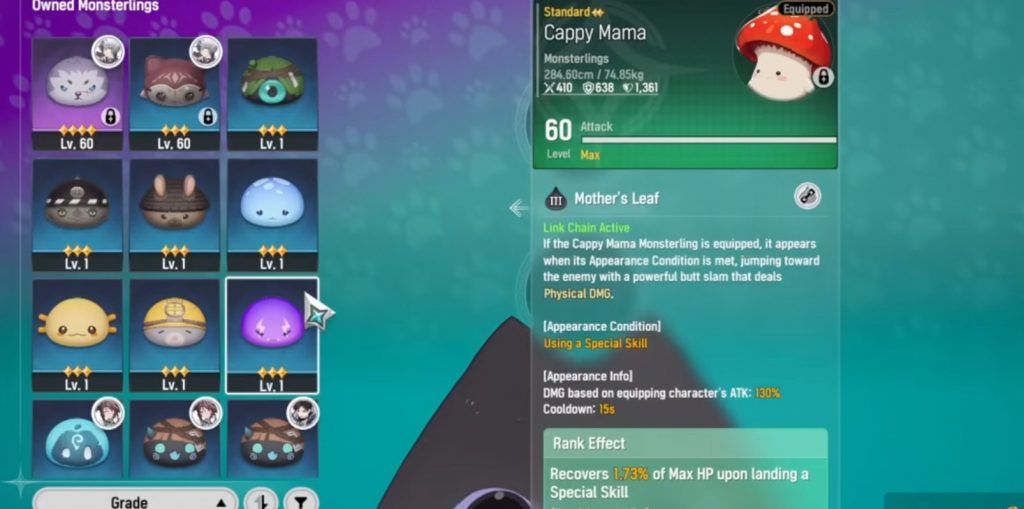
Building strong teams in Mongil: Star Dive isn’t just about characters. Monsterlings (Monster Links) play a huge role in boosting stats, triggering effects, and shaping your overall strategy. If you ignore this system, your progress will slow down fast—especially in mid to late game. This guide breaks down everything you need to know, from upgrading and combining to farming efficiently and building strong link chains.
Understanding Monsterlings Basics
Monsterlings act as support units that provide stats and special effects to your team. The higher their star level and rarity, the stronger the bonuses they give. However, most monsters you capture are limited:
- Natural drops usually cap at 3-star
- Boss monsters have better base stats
- Higher rarity = better scaling and effects
To go beyond this limit, you’ll need to rely on upgrading systems.
How to Upgrade Star Levels (Combining System)
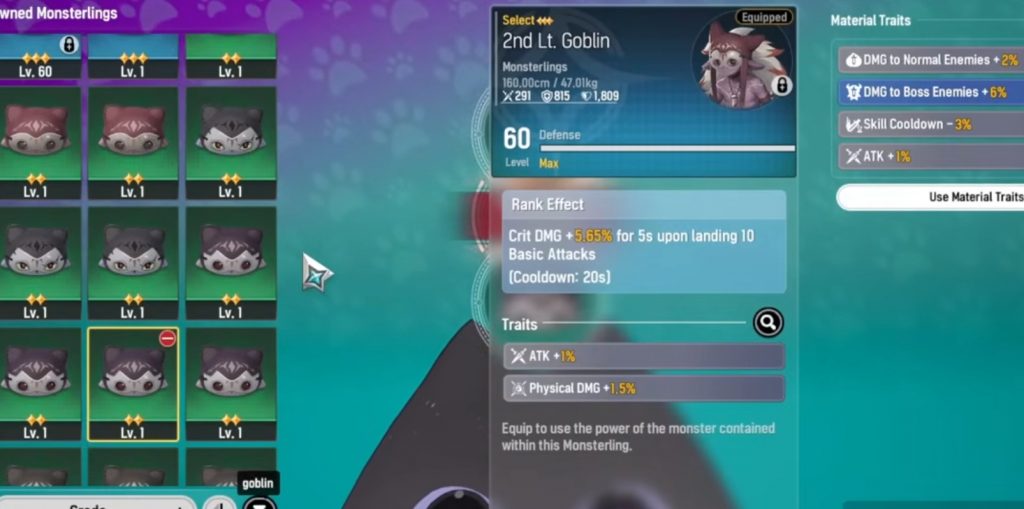
The main way to increase star level is through combining duplicates. Here’s how it works:
- Combine two Monsterlings of the same star level
- Chance to upgrade into a higher star version
- Success is not guaranteed (RNG involved)
For example:
- 1★ + 1★ → chance for 2★
- 2★ + 2★ → chance for 3★
- 3★ + 3★ → chance for 4★
This is the core progression loop. You farm duplicates, combine them, and slowly push toward higher stars.
Batch Combining Tip
If you have a lot of duplicates:
- Use batch combine
- Filter by star level
- Quickly convert multiple units at once
This saves a lot of time when upgrading large collections.
Traits System (Very Important)
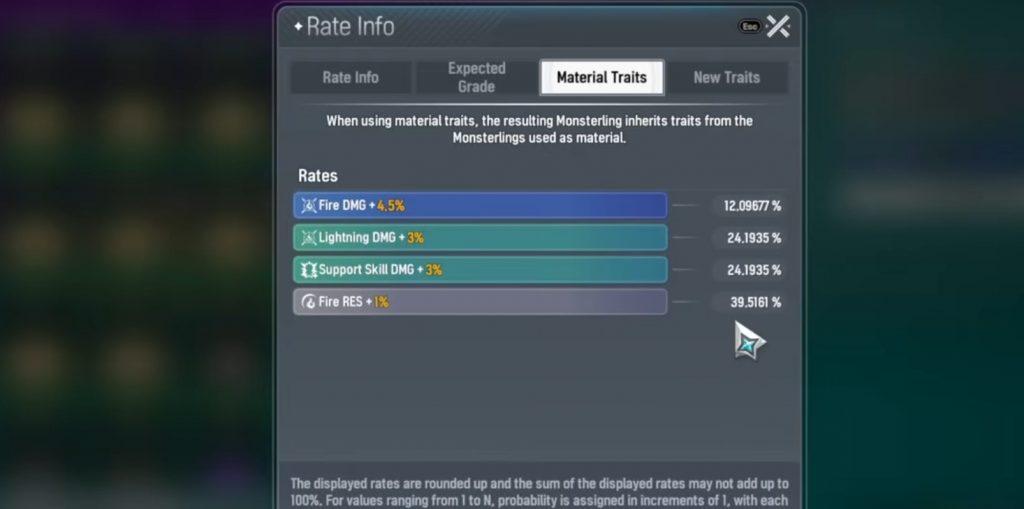
Every Monsterling comes with traits, and these can heavily impact performance.
When combining:
- Traits from both materials can transfer
- Lower rarity traits have higher transfer chance
- You may get new random traits
This creates a problem—good traits can be lost easily.
What You Should Do
If you get strong traits (especially high rarity/yellow ones):
- Use trait lock before combining
- Avoid risky upgrades if traits are valuable
Otherwise, you might downgrade your build without realizing it.
Upgrade Stones (Safe Star Up Method)

If you don’t want to risk losing traits, there’s a safer option: Upgrade Stones.
These let you increase star levels directly:
- 1★ → 2★ (green stone)
- 2★ → 3★ (blue stone)
- 3★ → 4★ (purple stone)
- 4★ → 5★ (gold stone)
The key advantage:
- Traits are fully preserved
This method is best used on Monsterlings with perfect or near-perfect traits.
Mutation System (Hidden Potential)
Combining also has a chance to trigger mutations.
These can:
- Unlock new Monsterling variants
- Provide unique or stronger abilities
Not all mutations are known early on, which makes this system more of a long-term collection goal. If you enjoy experimenting, this is where a lot of hidden power comes from.
Best Monsterlings for Early Game
Some Monsterlings stand out early because they are easy to farm and very effective.
Strong beginner options include:
- Cappy Mama – Great sustain and survivability
- Gorik – Reliable healing effects
These help reduce the need for dedicated healers and make your team more stable during fights.
Element-Based Monsterlings (Mid to Late Game)
As you progress, you’ll want Monsterlings that match your team’s element.
Examples:
- Ice teams → units that apply freeze or ice debuffs
- Wind teams → units that reduce wind resistance
- Fire teams → units that boost burn damage
These provide better synergy and higher overall damage.
Some notable targets:
- Elemental debuff monsters (for team synergy)
- Request Board bosses (higher rarity units)
- Conquest monsters (late-game optimization)
Where to Farm Monsterlings
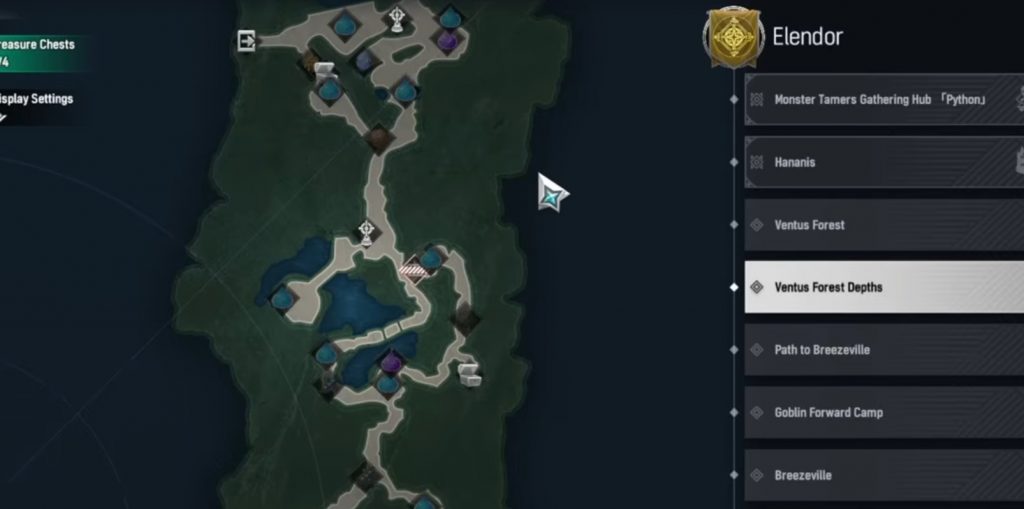
Farming depends on rarity and source.
Open World Farming
- Common and blue rarity monsters
- Spawn daily across maps
- Best for collecting duplicates
You can check the source tab to find exact locations.
Request Board Farming
- Purple rarity Monsterlings
- Not available in the open world
- Requires refreshing requests
Focus on monsters that don’t naturally spawn, instead of wasting slots on easy targets.
Conquest & Endgame Farming
- Yellow rarity (top tier)
- Best long-term Monsterlings
- Essential for optimized builds
Late game revolves heavily around these.
Efficient Farming Strategy
Farming everything daily sounds ideal, but it’s not practical for most players. A better approach:
- Pick specific Monsterlings you want to upgrade
- Farm their locations and related bosses
- Gather duplicates efficiently
- Combine or upgrade as needed
This saves time and prevents burnout.
Link Chain Mechanics (Important for Combat)
Monsterlings activate through link chains, which trigger abilities during combat. To maximize effectiveness:
- Always include at least one full link chain (3 units)
- Pay attention to activation conditions (like landing attacks or using elements)
Monsterlings don’t always trigger automatically.
To activate them properly:
- Perform an action (attack, skill, etc.)
- Then switch characters
If you switch without acting, the effect may not trigger.
The Monsterling system in Mongil: Star Dive is deeper than it looks at first. It combines RNG, farming, and strategy into one system that directly affects your team’s strength. Whether you’re upgrading stars, chasing perfect traits, or building elemental synergy, every decision matters. If you take your time to build properly and farm smart, your Monsterlings will eventually carry your team through even the toughest content.
Mongil: Star Dive