


Night At The Infirmary Beginner Guide, All You Need to Know!
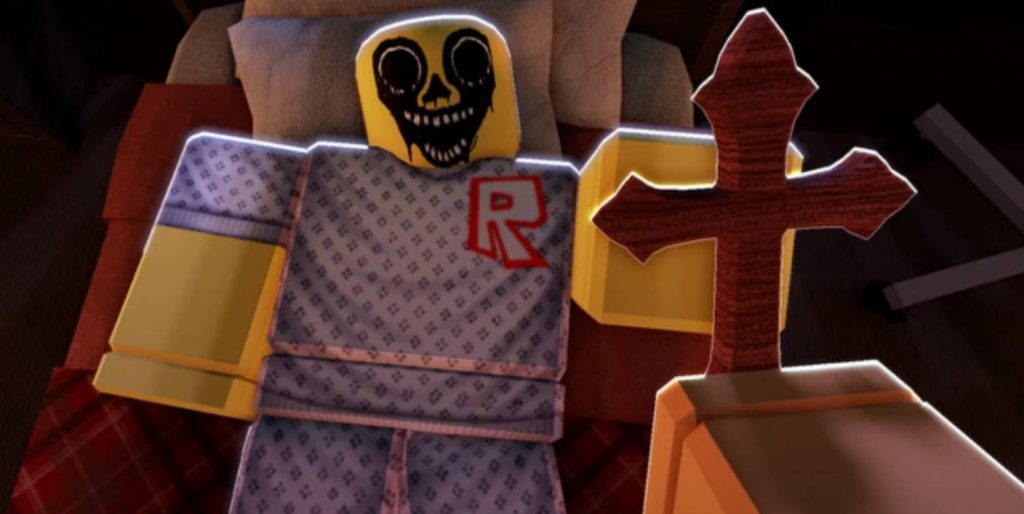
Night At The Infirmary is a Roblox horror game where you take on the role of a worker during a night shift at a strange and dangerous medical facility. At first, the gameplay seems simple because your main job is treating injured patients. However, things quickly become more complicated when some patients turn out to be possessed by supernatural entities.
You need to decide which patients are normal, treat their injuries correctly, and identify anomalies before they cause problems. Making the wrong decision can reduce your Sanity and eventually end your run. This Night At The Infirmary beginner guide explains the basic gameplay, patient treatment, anomalies, events, classes, and useful items.
How To Play Night At The Infirmary
The main gameplay loop revolves around managing patients who arrive at the infirmary. You will need to register them, examine their condition, provide the correct treatment, and send them out once they are healthy.
The problem is that not every patient is what they appear to be. Some are possessed and need to be exorcised instead of treated normally.
As you progress through a shift, you will also have to deal with random events, manage your Sanity, and complete tasks around the infirmary. Paying attention to small details is important because some anomalies are easy to miss.
How To Treat Patients
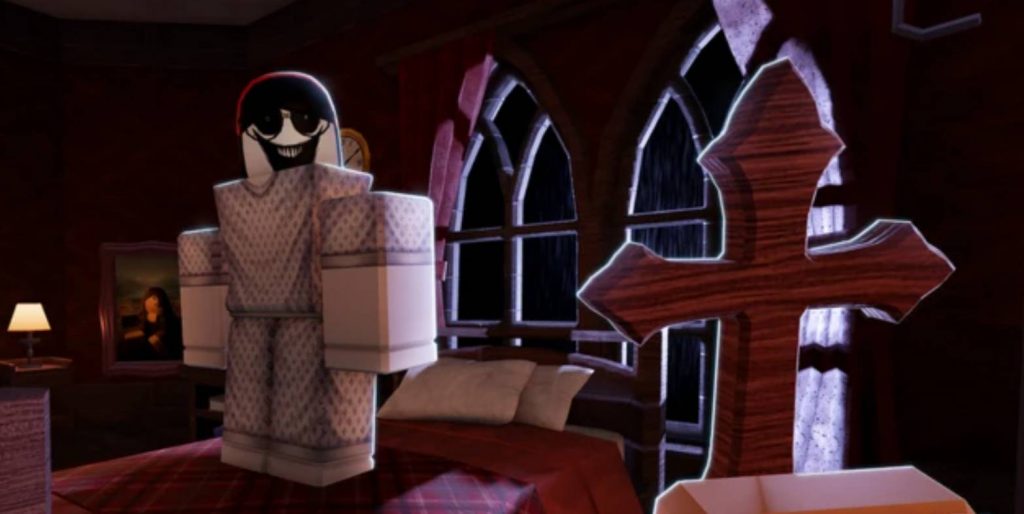
Normal patients usually arrive at the reception area in a wheelchair. You need to process them before moving them into the treatment room.
The basic treatment process is:
- Take the patient’s paperwork from the reception desk.
- Check the information and approve the patient if everything looks normal.
- Register the patient using the computer.
- Move to the treatment room.
- Place the patient on the bed.
- Connect the IV and heart monitor.
- Check their temperature with the thermometer.
- Identify the injury or illness.
- Collect the required equipment or medicine.
- Complete the treatment minigames.
- Send the patient out once treatment is finished.
Early patients mainly have broken bones, making them fairly easy to treat. As you progress, however, you will encounter different illnesses that require medicine from the storage room.
Night At The Infirmary Medicine Guide
Choosing the correct medicine is important because giving a patient the wrong treatment can cost you Sanity. Fortunately, the symptoms usually give you a good idea of which medicine to use.
The basic rules are:
- Swelling: Use Anti Inflammatories.
- Infection: Use Antibiotics.
- Pain: Use Painkillers.
- Poisoning: Use Antidote.
Some common examples include:
- Arthritis Flare Up: Anti Inflammatories
- Back Pain: Painkillers
- Chemical Poisoning: Antidote
- Chest Infection: Antibiotics
- Ear Infection: Antibiotics
- Earache: Painkillers
- Migraine: Painkillers
- Mushroom Poisoning: Antidote
- Patellar Tendonitis: Anti Inflammatories
- Pneumonia: Antibiotics
- Snake Bite: Antidote
- Stomach Ache: Painkillers
- Swollen Ankle: Anti Inflammatories
- Swollen Wrist: Anti Inflammatories
- Tooth Infection: Antibiotics
- Toxic Plant Ingestion: Antidote
Remember that the medicine system becomes more important as you progress. Don’t rush through the diagnosis if you’re unsure what the patient needs.
How To Identify Possessed Patients
One of the biggest challenges in Night At The Infirmary is determining whether a patient is actually human. Possessed patients can look normal at first, but there are several clues that can expose them.
You should pay attention to their behavior, dialogue, appearance, and medical readings.
Heart Rate
A normal patient generally has a heart rate somewhere around 40 to 100 BPM. You can check this by connecting the patient to the heart monitor.
A heart rate that is significantly above or below the normal range can indicate that something is wrong.
Temperature
Normal body temperature is around 37 degrees, although small differences are possible.
A temperature that is unusually high or low can be a warning sign. Be careful when reading the thermometer because temperatures can sometimes become negative.
Night Vision
Nightvision goggles can reveal things that aren’t normally visible. You can find them on the right side of the treatment room.
Equip the goggles through your hotbar and look around the patient. Strange appearances or entities that aren’t visible normally can be signs of an anomaly.
Other Signs of Possession
There are also several visual and behavioral clues you can spot at reception.
Look out for:
- Strange or threatening dialogue.
- A patient without a face.
- A patient facing away from you incorrectly.
- A face that appears to glitch.
- An obviously unnatural voice.
- A patient floating instead of walking.
- Strange or incorrect paperwork.
- Other unusual behavior that doesn’t make sense for a normal patient.
Some patients may say disturbing things or mention events that clearly shouldn’t be happening. These conversations can be important clues.
Things That Don’t Always Mean Possession
Not every strange thing that happens inside the infirmary is caused by a possessed patient.
The building itself has plenty of supernatural activity, so you may see disturbing events even when the patient is completely normal.
For example:
- Flickering lights.
- Strange entities appearing around the infirmary.
- Hallucinations involving patients.
- Patients appearing to move or change in unnatural ways during certain moments.
Don’t immediately exorcise someone just because something creepy happens nearby. You need to determine whether the anomaly is actually connected to the patient.
How To Exorcise a Possessed Patient
If you’re confident that a patient is possessed, you need to deal with the anomaly instead of completing their normal treatment.
If you notice the problem at reception, you can usually reject the patient before they enter the treatment area.
If the patient is already inside the treatment room, grab the crucifix from the worktop on the left side of the room. Equip it and point it toward the patient.
A successful exorcism causes the possessed patient to disappear. You may also see strange visual effects and dark stains left behind on the bed.
Be careful, though. Using the crucifix on a normal patient will hurt your progress and reduce your Sanity.
How Sanity Works
Sanity is one of the most important resources in Night At The Infirmary. It gradually decreases during a shift, so you need to complete tasks correctly and avoid unnecessary mistakes.
If your Sanity reaches zero, your run ends.
You can lose Sanity from:
- The natural passive Sanity drain.
- Finishing treatment on a possessed patient without exorcising them.
- Exorcising a normal patient.
- Giving someone the wrong treatment.
- Interacting with certain hallucinations.
- Walking through fire during the Fire event.
You can recover Sanity by:
- Successfully treating normal patients.
- Successfully exorcising possessed patients.
- Completing certain events successfully.
Because of this, careful observation is just as important as completing treatments quickly.
Night At The Infirmary Events
Random events can occur during your shift and usually require immediate attention. Ignoring them can cause problems, so learn what to do before they appear.
Stains
If the treatment bed becomes covered in stains, head to Storage and grab a bottle of cleaner.
Return to the treatment room and spray the cleaner over each stain until the bed is clean.
Power Outage
When the power goes out, the infirmary becomes much harder to operate.
Go to the fuse box inside Storage and complete the circuit breaker puzzle. Put the breakers in the correct order to restore the electricity.
Fire
A fire can break out inside the infirmary, forcing you and your patient to evacuate.
Get outside as quickly as possible and avoid walking through the flames. Once you’re outside, the fire will disappear.
Cardiac Arrest
Cardiac arrest is more urgent than a normal patient arrival. Skip the regular paperwork and immediately take the patient to a treatment room.
You will need to perform a CPR minigame. Hit the correct icons before they disappear while avoiding the red ones.
Night At The Infirmary Classes
Once you’ve earned enough Shards, you can unlock different classes from the lobby. Each class changes how you play by providing useful bonuses or, in some cases, drawbacks.
The available classes include:
- Rookie — Costs 250 Shards and provides additional Sanity.
- Ward Assistant — Costs 400 Shards and increases operating speed for the team, but has lower Sanity.
- Receptionist — Costs 750 Shards and improves wheelchair and registration speed.
- Surgeon — Costs 1,000 Shards and provides faster wheelchair movement and faster operations.
- Exorcist — Costs 4,000 Shards, improves exorcism speed, provides more Sanity from successful exorcisms, and temporarily increases wheelchair speed afterward.
- Plague Doctor — Costs 6,000 Shards and provides reduced Sanity effects alongside faster wheelchair and operating speeds.
- The Survivor — Gives you faster movement and slower Sanity loss but starts with significantly lower Sanity.
- Therapist — Improves Sanity gain and reduces Sanity loss for the entire team.
- Head Doctor — Starts with more Sanity, gains more from treating patients, and begins with Sanity Pills.
For beginners, classes that improve general movement, treatment speed, or Sanity can make early runs much easier.
Useful Items
If you don’t want to spend your Shards on a class, you can purchase items from the starting shop. The main options are:
- Adrenaline Boost — Costs 225 Shards and temporarily increases your movement speed.
- Sanity Pills — Costs 150 Shards and restores some lost Sanity.
- Expired Pills — Costs 50 Shards, although their effects make them a questionable purchase.
Sanity Pills are particularly useful during longer runs because keeping your Sanity above zero is essential.
Night At The Infirmary Beginner Tips
If you’re just starting out, don’t focus entirely on speed. Learning how the infirmary works and recognizing anomalies will save you more runs than rushing through every patient. Keep these tips in mind:
- Check every patient’s paperwork carefully.
- Always connect the heart monitor and check temperature when examining patients.
- Use night vision if something seems suspicious.
- Don’t exorcise a patient unless you have good evidence that they are possessed.
- Remember that strange events inside the infirmary don’t always mean a patient is an anomaly.
- Learn the medicine types so you can treat patients without guessing.
- Keep an eye on your Sanity throughout the shift.
- Deal with emergency events quickly.
- Save Shards for a class or item that matches your playstyle.
- Take your time when identifying unusual patient behavior.
Night At The Infirmary starts as a simple medical treatment game but quickly turns into a mix of hospital management, horror, investigation, and survival. Your job isn’t only to keep patients alive. You also need to figure out which patients are actually possessed, respond to emergencies, and make sure your Sanity doesn’t reach zero.
For new players, the most important thing is learning the difference between genuine patient anomalies and the strange events caused by the infirmary itself. Once you understand the treatment process, medicine system, anomaly clues, and Sanity mechanics, surviving longer shifts becomes much easier.
Night at the Infirmary