


Slayers 2 Breathing Styles Tier List, Best One to Use!
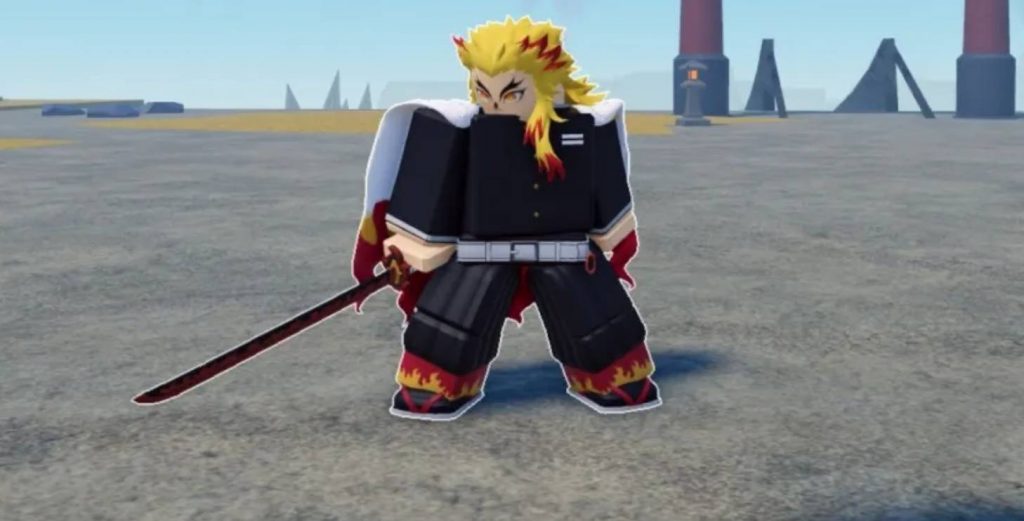
Choosing a Breathing Style in Slayers 2 can have a major effect on how your character fights. Each style has its own attacks, movement options, range, combo routes, and utility, so there is no single moveset that feels the same as another. Some are easier to use for general progression, while others are built around PvP pressure, counters, or precise movement.
This Slayers 2 Breathing Styles tier list compares the currently known styles based on combat performance, including damage potential, mobility, range, crowd control, combo options, utility, ease of use, and performance in both PvE and PvP. Styles that are still missing important move information are kept as TBA rather than being placed without enough evidence.
Slayers 2 Breathing Styles Tier List
The current rankings are divided into S, A, and TBA tiers. Water, Sound, and Wind sit in S Tier because they offer strong and flexible combat tools. Flame, Insect, Thunder, and Stone are placed in A Tier, although Insect still has incomplete information. Serpent remains TBA while its complete moveset needs more testing.
- S Tier: Water, Sound, Wind
- A Tier: Flame, Insect, Thunder, Stone
- TBA: Serpent
S Tier Breathing Styles
S Tier contains styles with particularly useful combat kits, whether through versatility, strong PvP control, mobility, or reliable build synergy. These styles are not automatically superior in every situation, but they currently provide some of the most complete options for players who want a powerful overall moveset.
Water Breathing
Water Breathing is one of the most flexible choices in Slayers 2 because its kit combines melee attacks, aerial pressure, movement, and sustained offense. Surface Slash provides a direct approach, while Water Wheel and Whirl Pool give you additional ways to keep attacking from different positions. Constant Flux adds sustained pressure, while Dead Calm works well when you have already created an opening.
- Best for: Hybrid builds and flexible progression
- Difficulty: Moderate
- Main strengths: Mobility, melee pressure, aerial attacks, versatility
- Core moves: Surface Slash, Whirl Pool, Water Wheel, Constant Flux, Dead Calm
- Suggested synergy: Tomioka, Urokodaki, Sabito
Water becomes especially interesting when paired with Tomioka. Flowing Motion can reset two random skill cooldowns, while blocking can strengthen the next Water skill used within a short window. However, the random nature of the cooldown reset means it should not be treated as a guaranteed way to repeatedly use Dead Calm.
Urokodaki is another useful choice for progression because the clan bonuses improve Water damage while reducing Water stamina costs. Sabito instead supports a more mobile sword-focused approach. Water’s main weakness is that its attacks still require proper positioning, so launching an enemy or moving into the air does not automatically guarantee that your next ability will connect.
Sound Breathing
Sound Breathing is heavily focused on controlling the battlefield and creating opportunities for follow-up attacks. Bursting Bloom can close distance and stun without immediately sending the target flying away, while Exploding Beads gives the style both ranged and close-range options. Roar and Resounding Slashes can also be used to manage spacing.
- Best for: PvP and zoning
- Difficulty: High
- Main strengths: Crowd control, zoning, setup, ranged pressure
- Core moves: Bursting Bloom, Roar, Exploding Beads, Resounding Slashes, String Performance
- Suggested synergy: Uzui and dual cleavers
Exploding Beads gives Sound one of its most useful tools because the ranged version can leave a threat that is detonated manually. The close-range version works differently, disabling blocking when it connects while pushing the user backward. This gives Sound multiple ways to deal with opponents depending on how they approach.
The biggest thing to understand about Sound is its reliance on setup. Roar and Resounding Slashes can create distance, but using them at the wrong moment may interrupt your own pressure. String Performance also needs its initial catch, meaning its long animation should not be mistaken for automatic safety or guaranteed damage.
Wind Breathing
Wind Breathing is a more technical style that combines ranged attacks, close-range multi-hit moves, and follow-ups that reward accurate execution. Mountain Wind and Purifying Claws give you ways to pressure opponents, while Rising Dust Storm and Whirlwind Cutter provide different attack patterns. Typhoon then gives the style another finisher option.
- Best for: Technical PvP, hybrid builds, grouped enemies
- Difficulty: High
- Main strengths: Range, mobility, multi-hit pressure, technical combos
- Core moves: Mountain Wind, Purifying Claws, Rising Dust Storm, Whirlwind Cutter, Typhoon
- Suggested synergy: Shinazugawa
Purifying Claws is particularly useful because successfully landing its first attack allows the follow-up input to teleport you above the target. This creates a more reliable internal follow-up than assuming that every Wind ability automatically forms a true combo with another skill.
Shinazugawa also provides strong support for Wind users. Windstorm Vigor increases Wind Damage Factor and Additional Damage Factor while reducing stamina costs. This makes it easier to maintain offensive pressure, although those bonuses should not be interpreted as proof of a specific combined damage multiplier.
Wind’s biggest challenge is controlling displacement. Knockback and launches can sometimes move enemies away from where you expect them to be, causing the next attack to miss. Players who learn the spacing and timing can get considerably more value from the style.
A Tier Breathing Styles
A Tier styles remain strong choices and can be extremely effective in the right hands. Their lower placement compared with S Tier does not mean they have poor damage. Instead, they tend to have a narrower focus or require certain conditions to get the most from their movesets.
Flame Breathing
Flame Breathing is an aggressive all-rounder built around direct offense, counters, and burst damage. Unknowing Fire gives you a strong entry attack that can lead into additional slashes and a launch, while Flame Undulation gives you an M1 counter for dealing with opponents who try to fight back aggressively.
- Best for: Hybrid builds and direct melee combat
- Difficulty: Moderate
- Main strengths: Burst, counters, melee pressure
- Core moves: Unknowing Fire, Blazing Universe, Flame Undulation, Flame Tiger, Purgatory
- Suggested synergy: Rengoku and Flame Katana
Flame Tiger adds some flexibility to an otherwise aggressive melee kit. You can tap the ability for a projectile or hold it for close-range slashes, allowing you to change your approach depending on the situation.
Rengoku is a natural pairing for Flame. Ignition Hit can apply a non-stacking burn effect to several Flame attacks, while Indomitable Will provides additional utility. These clan abilities improve a Flame-focused build, but they should not be confused with abilities that every Flame user receives automatically.
Flame is placed in A Tier because it has fewer dedicated zoning and battlefield-control options than Sound or Wind. It is excellent for players who prefer direct pressure, but its forward-moving attacks still need to connect, and Flame Undulation should not be treated as a counter to every ability in the game.
Insect Breathing
Insect Breathing has the potential to become a strong specialist style, especially for players interested in close-range combat, aerial attacks, and poison-focused builds. However, its current ranking is more tentative because the complete move information is not available yet.
- Best for: PvP specialists and poison-focused builds
- Difficulty: Not fully established
- Main strengths: Close pressure, aerial combat, poison potential
- Core moves: Full kit still TBA
- Suggested synergy: Kocho
Kocho gives Insect users several useful bonuses. Insect Affinity can poison enemies hit by Insect skills, while Aerial Mastery improves airborne Sword attacks. Poison Draw can also introduce additional effects, including possible health or stamina disruption depending on the result.
There are natural counters to this type of build. Kocho itself provides poison immunity, while Uzui has Poison Conversion. Because of this, poison should be viewed as one part of the build rather than the entire reason to use Insect.
A final ranking will depend on more information about Insect’s individual attacks, guard interactions, follow-up windows, poison behavior against bosses, and its sustained damage. For now, A Tier reflects its apparent potential rather than a fully confirmed ranking.
Thunder Breathing
Thunder Breathing focuses on speed, gap closing, and burst pressure. Thunder Clap & Flash can turn successful contact into another strike, while God Speed attacks along the user’s movement path. This makes Thunder particularly attractive to players who enjoy fast PvP encounters.
- Best for: PvP and aggressive pursuit
- Difficulty: Moderate
- Main strengths: Mobility, gap closing, burst
- Core moves: Thunder Clap & Flash, Lightning Folds, Rice Spirit, God Speed, Flaming Thunder God
- Suggested synergy: Agatsuma
Rice Spirit adds another way to control an opponent’s position by creating a field that can catch a target before the dash-and-slash sequence. Lightning Folds gives Thunder an aerial attack, helping the style avoid relying entirely on forward movement.
Agatsuma works well with this playstyle because Sleepless Knight provides Thunder damage, dash speed, and cooldown-related benefits. Enhanced Hearing can also create another damage opportunity, while low-health bonuses can help during difficult fights.
Thunder’s main limitation is its reliance on successful contact. Flaming Thunder God still needs its catch to connect, so players cannot simply rely on movement speed to guarantee damage. It is particularly suited to duelists who are comfortable aiming and managing stamina.
Stone Breathing
Stone Breathing takes a more defensive approach than most of the other styles. It combines counters, grabs, heavy close-range pressure, and positioning tools. This makes it a good option for players who prefer waiting for an opening instead of constantly attacking.
- Best for: Defensive PvP and close-range punishment
- Difficulty: High
- Main strengths: Counters, grabs, defensive pressure
- Core moves: Volcanic Rock, Seismic Burst, Upper Smash, Demolishing Blow, Arcs of Justice
- Suggested synergy: Himejima and the axe-and-flail weapon setup
Demolishing Blow is one of the most interesting parts of Stone because it gives you different options depending on how you use it. Holding the move provides an M1 counter, while releasing it can grab a nearby opponent. This creates a decision between waiting for an attack and actively controlling someone who enters your range.
Seismic Burst also has different functions depending on whether you tap or hold the ability. Upper Smash can stun before launching the target, while Volcanic Rock provides additional aerial positioning.
Himejima further supports the defensive bruiser playstyle. Repetitive Action can convert skill damage into a temporary M1 bonus, while Stone Skin provides defensive benefits and M1 retaliation. Stone’s biggest problem is its reach, since ranged opponents can force you to work harder to create the close-range situations where the style is strongest.
TBA Breathing Styles
Some Breathing Styles should not be given a firm tier until their full mechanics are known. Serpent is currently the clearest example because its potential can be seen through its clan synergy, but that does not provide enough information to accurately rank the complete Breathing Style.
Serpent Breathing
Serpent Breathing appears to be aimed toward players who enjoy dueling and multi-hit pressure, but its full kit still needs more information before a proper tier placement can be made.
- Best for: PvP and duelist builds
- Difficulty: Not established
- Main strengths: Multi-hit pressure and potential mobility
- Core moves: TBA
- Suggested synergy: Iguro and Kaburamaru
Iguro provides direct Serpent synergy through Serpent’s Wrath, which increases Serpent Damage Factor while also offering additional damage and movement benefits. Kaburamaru can create setup opportunities by binding nearby targets for around 1.3 seconds.
Flash Step also gives the build another repositioning tool. Its steerable movement can help change angles during a fight, although movement or disappearance effects should not automatically be considered invulnerability unless the mechanic has been confirmed.
The biggest reason Serpent remains TBA is the lack of complete move data. Its block interactions, endlag, sustained damage, combo routes, and PvE performance still need to be tested. Iguro’s clan abilities show promising synergy, but they should not be used as a substitute for the missing baseline Serpent moveset.
How the Slayers 2 Breathing Styles Are Ranked
The rankings focus on the actual combat tools available from each Breathing Style rather than simply looking at unlock requirements or how difficult a style is to obtain. Damage, mobility, range, crowd control, utility, combo potential, consistency, and PvE and PvP performance are all considered when placing a style.
The tier meanings are:
- S Tier: Strong overall tools, clear specialist advantages, or excellent practical build synergy.
- A Tier: Powerful options with a narrower focus or notable limitations compared with S Tier.
- B Tier: Usable styles that currently fall behind the higher-ranked options.
- C Tier: Styles that are inconsistent or substantially outperformed by other choices.
- TBA: Not enough information is available for a reliable placement.
Difficulty does not automatically lower a style’s ranking. A technical moveset can still be highly effective if its tools provide enough value once mastered. Likewise, a simple style is not automatically better just because it is easier for beginners.
It is also important to separate an ability’s built-in follow-up from a true combo involving multiple skills. Stuns, launches, blocking, block-dashing, knockback, and escape windows can all change whether a sequence actually connects.
Which Breathing Style Should You Choose?
For players who want an adaptable style that works across different situations, Water is a strong option because its moveset covers several combat roles. It can approach enemies, maintain pressure, and continue fighting through aerial positioning without depending on a single ability.
Players who mainly care about PvP may prefer Sound, Wind, Thunder, or Stone depending on their preferred combat style. Sound focuses on setup and zoning, Wind rewards technical movement, Thunder emphasizes pursuit, while Stone favors defensive reactions and close-range punishment.
Flame is a good middle ground for players who want a straightforward offensive style with counterplay. Insect and Serpent are more difficult to judge completely because important parts of their kits still require additional information and testing.
What Is the Best Breathing Style in Slayers 2?
There is no single Breathing Style that will perform identically for every player or every situation. The current S Tier group consists of Water, Sound, and Wind because each provides strong tools in different ways. Water focuses on flexibility, Sound excels at controlling engagements, and Wind rewards players who can manage spacing and technical follow-ups.
Your preferred combat mode should therefore be an important part of the decision. A player focused on PvE progression may value versatility and sustained pressure, while a PvP player may care more about catches, mobility, counters, zoning, and escape control.
As Slayers 2 receives more updates and the remaining Breathing Style mechanics become clearer, these placements can change. In particular, Insect and Serpent need more complete move information before their positions can be compared with greater confidence.
The current Slayers 2 Breathing Styles rankings place Water, Sound, and Wind in S Tier, followed by Flame, Insect, Thunder, and Stone in A Tier. Serpent remains unranked while more information about its complete moveset becomes available.
Rather than choosing a style purely because of its tier, consider how you actually like to fight. A player who enjoys aggressive movement may get more value from Thunder or Wind, while someone who prefers defensive reactions may enjoy Stone. As new mechanics and balance changes arrive, the tier list can shift with them.
Slayers 2